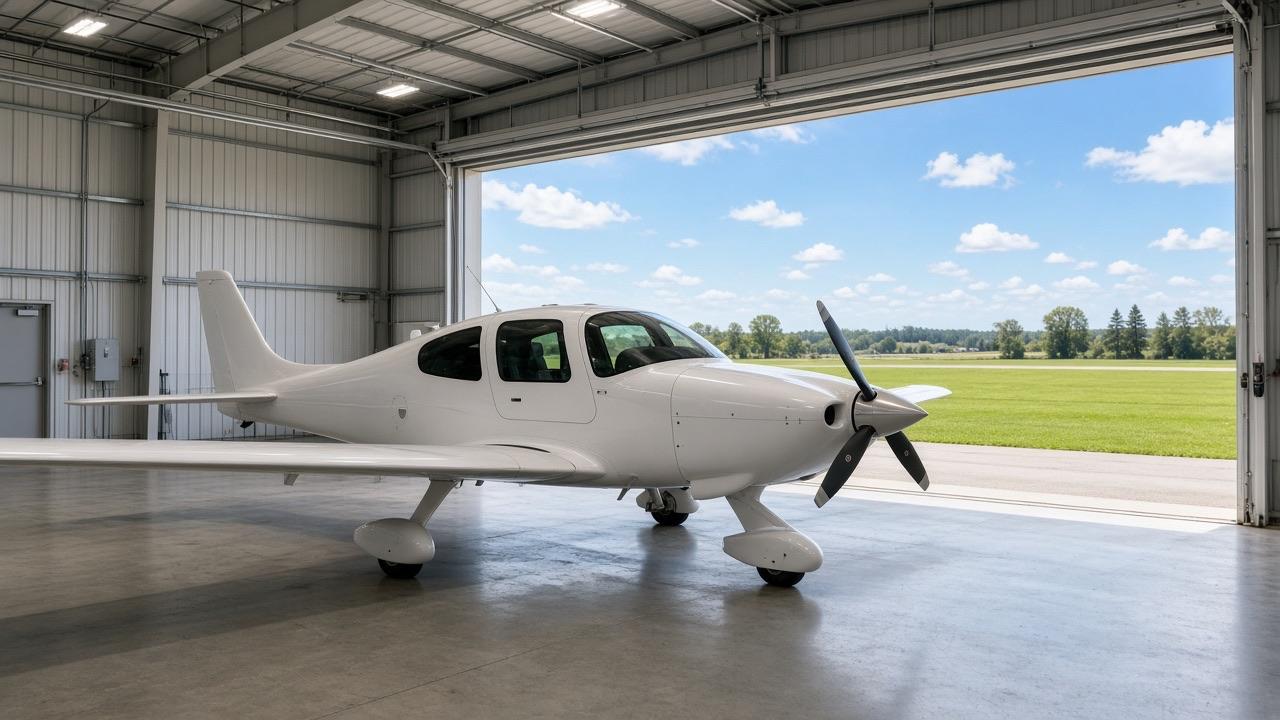
Insurance is one of the larger fixed costs of owning an aircraft, and one of the most important to get right. Policies for light aircraft differ from car insurance in several ways, from how the aircraft’s value is agreed to the conditions on who may fly it. Understanding the main parts of a policy helps you compare quotes properly and avoid an unpleasant surprise when you need to claim.
Liability cover is a legal requirement
Aircraft flying in the UK must carry third-party liability insurance that meets minimum levels set by law, under rules inherited from EU Regulation 785/2004. The minimum depends on the aircraft’s maximum take-off mass and is expressed in Special Drawing Rights (SDR), an international unit of account. For example:
- Up to 500 kg: 750,000 SDR.
- Up to 1,000 kg: 1.5 million SDR.
- Up to 2,700 kg: 3 million SDR, which covers most four-seat singles.
There are also minimum levels of passenger liability cover. Many owners choose limits well above the legal minimum, particularly if they fly into busy airports or abroad, and your insurer or broker can advise on the right level for your flying.
Hull cover: insuring the aircraft itself
Hull cover pays for damage to, or loss of, the aircraft. It is not a legal requirement, but most owners have it, and lenders usually insist on it. The main options are:
- All risks, in flight and on the ground — covers the aircraft whether it is flying, taxiing or parked.
- Ground risks only — covers the aircraft while it is on the ground, sometimes split into cover while moving and while stationary. Cheaper, and sometimes used while an aircraft is laid up for maintenance or over winter.
- Liability only — no cover for the aircraft itself. Occasionally chosen for low-value aircraft, but you carry the full risk of damage.
Hull cover is usually written on an agreed value basis: you and the insurer agree what the aircraft is worth, and that is what is paid in a total loss. Review the agreed value each year so that it keeps pace with the market and any upgrades. Most hull claims are subject to an excess, which may be a fixed sum or a percentage of the agreed value, and it can be higher for less experienced pilots.
What affects your premium
- The aircraft’s value — hull premiums are usually a percentage of the agreed value.
- Pilot experience — total hours, hours on type and recent flying. Low-hours pilots pay more.
- Aircraft type — complex, retractable, tailwheel and high-performance aircraft usually cost more to insure.
- Use — private flying is cheapest; training, hire and aerobatics increase the premium and may need specific cover.
- Where it is kept — a hangar at a well-equipped airfield usually helps; short grass strips may be viewed differently.
- Claims history — your own record, and the aircraft’s.
- Territorial limits — cover for the UK only is cheaper than cover for the UK and Europe.
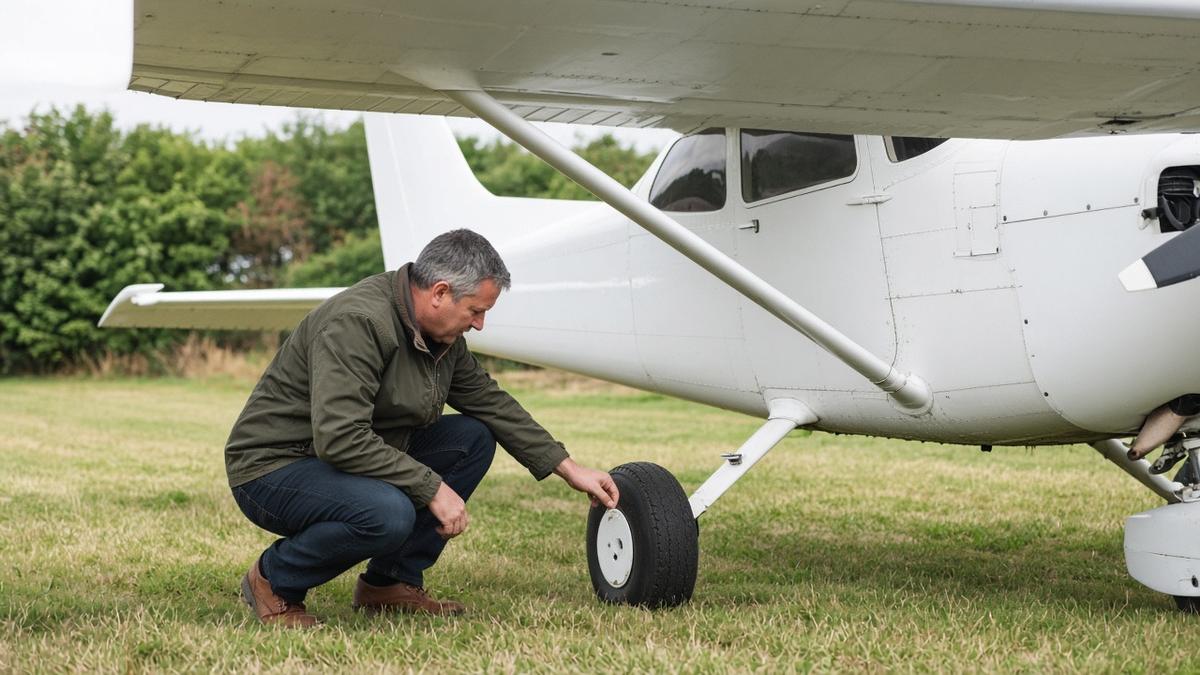
Insuring a new purchase
Get quotes early, before you agree to buy. A quote tells you what the aircraft will really cost to own, and an insurer may set conditions, such as a checkout with an instructor, if you have few hours on the type. Have cover in place from the moment ownership or risk passes to you, including for the ferry flight home, because the seller’s insurance will not cover you. Our guide to transferring ownership of a UK-registered aircraft covers the rest of the handover.
Groups and shared aircraft
Group aircraft are usually insured on a single policy naming the group, with a pilot warranty that every member must meet. Check how the excess is shared after a claim, as this is often set out in the group agreement rather than the policy. Our guide to aircraft group ownership explains how groups usually work.
Buying cover
Most private owners buy through a specialist aviation insurance broker, who can compare policies from several insurers and explain the differences. Make sure the details you give are accurate and complete, including your hours, the aircraft’s equipment and how it will be used, as incorrect information can affect a claim. Insurance is just one of the costs covered in our guide to the real cost of owning a light aircraft. To find an aircraft that fits your budget, browse the Hangar or talk to us.
Frequently asked questions
Is aircraft insurance a legal requirement in the UK?
Third-party liability insurance is, at minimum levels that depend on the aircraft’s maximum take-off mass, along with passenger liability cover. Hull cover for the aircraft itself is optional, though most owners choose it and lenders usually require it.
Why is aircraft insurance more expensive for low-hours pilots?
Insurers price risk on experience. Fewer total hours and fewer hours on type mean a higher premium, and sometimes a higher excess or conditions such as a checkout. Premiums usually fall as you build experience.
Do I need insurance before collecting an aircraft I have bought?
Yes. Arrange cover from the moment ownership or risk passes to you, including for the ferry flight, because the seller’s policy will not cover you.