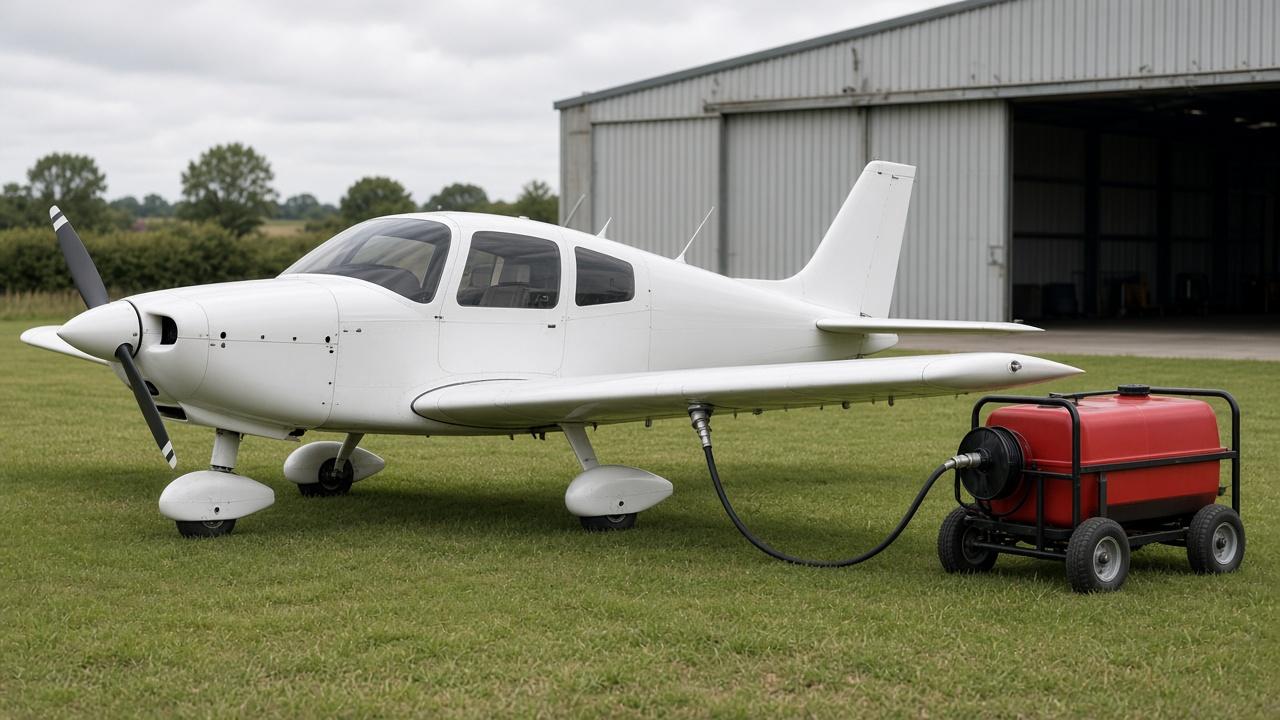
Owning an aircraft gives you freedom no rental or club can match: fly when you like, keep it how you like and get to know it intimately. But the purchase price is only the start. Understanding the running costs before you buy is the best way to make ownership enjoyable rather than stressful.
The figures below are illustrative and vary widely by type, airfield and region. Use them as a framework, then get real quotes for your aircraft and location.
Fixed costs: what you pay whether you fly or not
- Insurance — hull cover for the aircraft’s value plus third-party liability. Premiums depend on the aircraft’s value, your experience and where it is kept.
- Hangarage or parking — often the largest fixed cost. Hangar space near major cities is in short supply and priced accordingly; outdoor parking is cheaper. See hangar or outside?
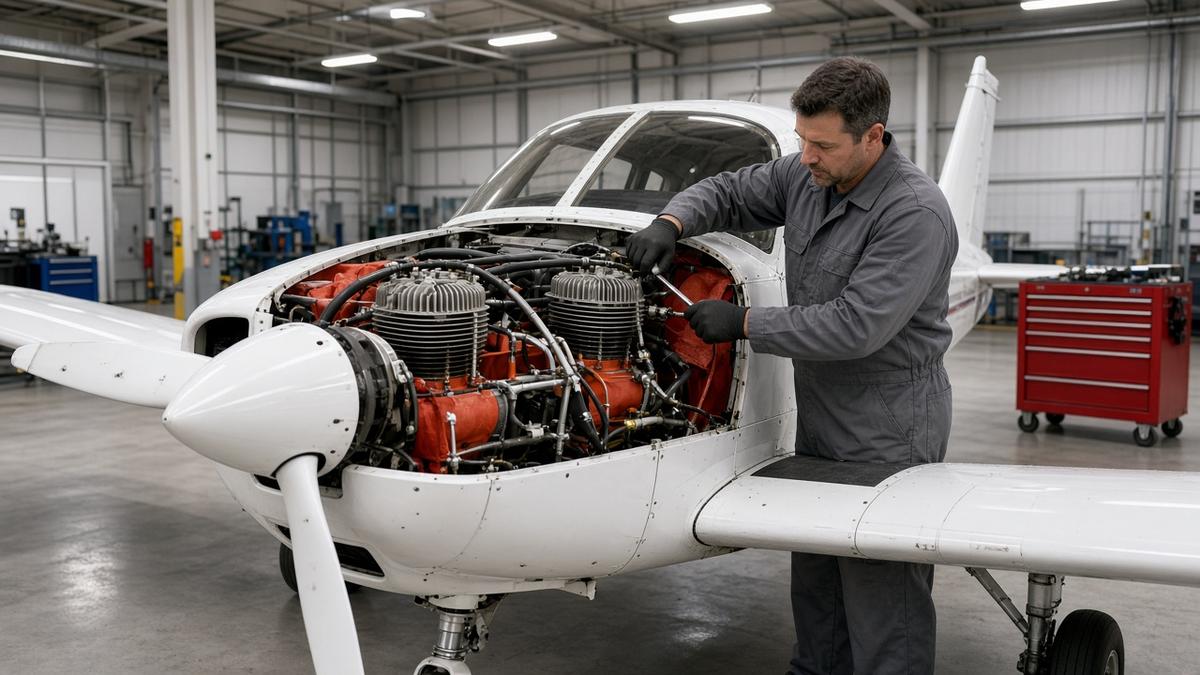
- Annual maintenance — the yearly inspection, plus any defects it finds.
- Airworthiness review — required to keep the aircraft’s airworthiness certification valid, or permit renewal for permit aircraft.
- Subscriptions and licences — navigation software and charts, the aircraft radio licence, and any club or association memberships.
Hourly costs: what you pay each time you fly
- Fuel — usually the largest hourly cost. A typical four-seat single burns roughly 30–40 litres of avgas an hour.
- Oil — modest, but worth tracking as an indicator of engine health.
- Landing and approach fees — vary from nothing at small strips to substantial at larger airports.
- Engine reserve — money set aside each hour towards the next overhaul.
Working out your cost per hour
The most useful figure for an owner is the total cost per hour. Add your fixed costs for the year, divide by the hours you expect to fly, then add your hourly costs. The more you fly, the cheaper each hour becomes, which is why low-utilisation owners often consider group ownership to share the fixed costs.
As a worked example, an owner with £9,000 of annual fixed costs who flies 60 hours a year is paying £150 an hour before fuel. At 120 hours, that falls to £75 an hour.
The costs owners forget
- Unscheduled maintenance, such as a magneto, starter or alternator failure.
- Avionics updates and database subscriptions.
- Paint and interior refurbishment over the longer term.
- Airworthiness Directives that require inspections or parts replacement.
- Travel to and from the airfield, and to the maintenance organisation.
Making ownership affordable
Choose a type that suits your flying rather than the most aircraft you can afford, fly it regularly to keep it healthy, and build a good relationship with your maintenance organisation. If you are starting your search, our guide to buying a used aircraft and the aircraft on the Hangar are good next steps.
Frequently asked questions
Is it cheaper to own or rent?
If you fly less than around 50 hours a year, renting or a group share is often cheaper. Above that, sole ownership becomes more competitive, and offers availability you cannot get from a club.
Does flying less save money?
It reduces fuel spend, but fixed costs stay the same, so each hour becomes more expensive. Engines that sit unused also tend to suffer.
What does insurance typically depend on?
The aircraft’s value and type, the pilots named on the policy and their experience, where the aircraft is kept, and the level of liability cover.