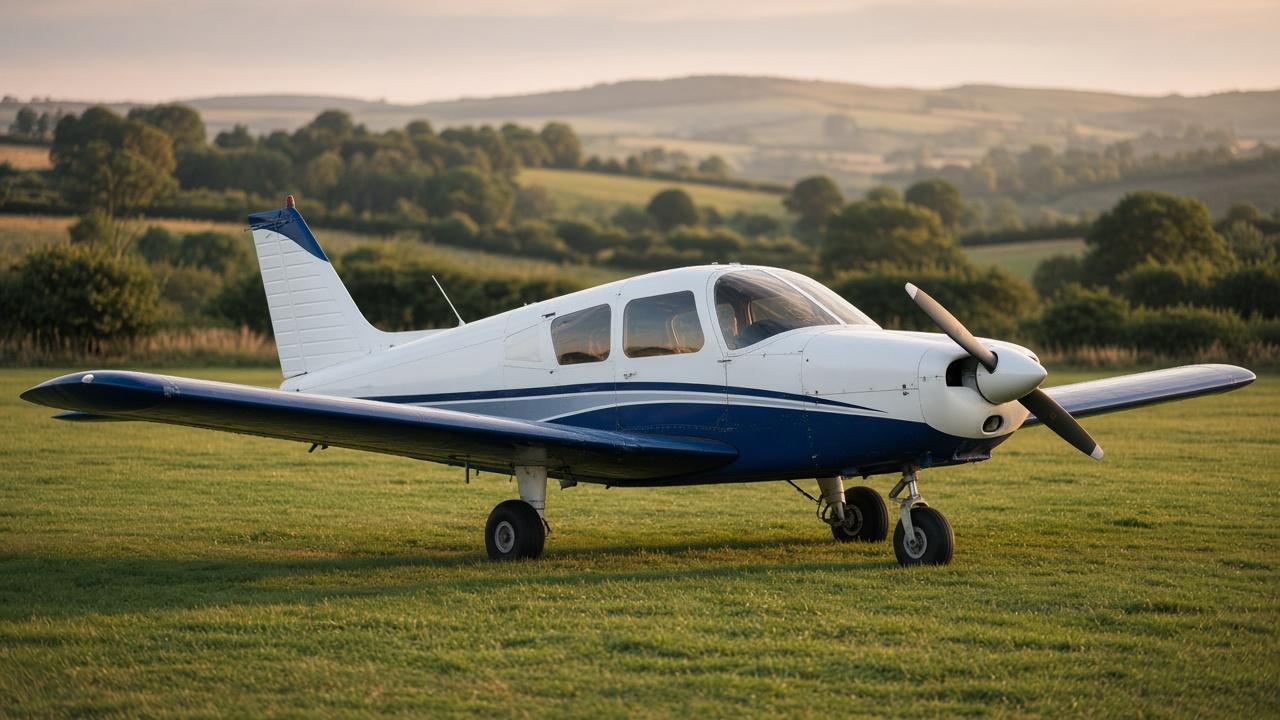
Buying your own aircraft is one of the most rewarding steps a private pilot can take. It is also a significant purchase with more moving parts than buying a car: airworthiness status, maintenance history, engine hours and a stack of paperwork all affect what an aircraft is really worth. This guide walks through the process we see work best for UK buyers.
1. Decide what the aircraft is for
Start with the flying you actually do, not the flying you imagine. A pilot who mostly flies local sorties with one passenger has very different needs from a family planning touring trips to France. Be honest about:
- Seats and payload — how many people and how much baggage you carry, and with how much fuel.
- Range and speed — whether you need to cover 300 nm comfortably or rarely leave your local area.
- Your licence and ratings — a LAPL limits you to four people on board, and some types need differences training.
- Where you will keep it — short grass strips favour some types more than others.
If you are still weighing up types, our comparison of the Cessna 172 and Piper PA-28 is a good place to start, and you can browse current single-engine piston aircraft for sale to get a feel for the market.
2. Set a budget that includes ownership
The purchase price is only part of the picture. Before you commit, work out what the aircraft will cost to keep each year: insurance, hangarage or parking, the annual maintenance inspection, the airworthiness review, and a reserve towards the next engine overhaul. Our guide to the real cost of owning a light aircraft breaks these down in detail.
3. Shortlist aircraft and ask the right questions
Once you know what you want, look closely at each candidate before you travel to see it. Ask the seller or broker for the logbooks or scans of them, the current airworthiness documents and a recent list of defects. Useful early questions include:
- How many hours are on the engine since its last overhaul, and when was that overhaul done?
- Has the aircraft had any damage, and was it repaired and recorded properly?
- When are the next annual inspection and airworthiness review due?
- Is the avionics fit compliant with current UK requirements, such as 8.33 kHz radios and a Mode S transponder where needed?
We explain what to look for in the paperwork in how to read aircraft logbooks.
4. View it, fly it, then inspect it
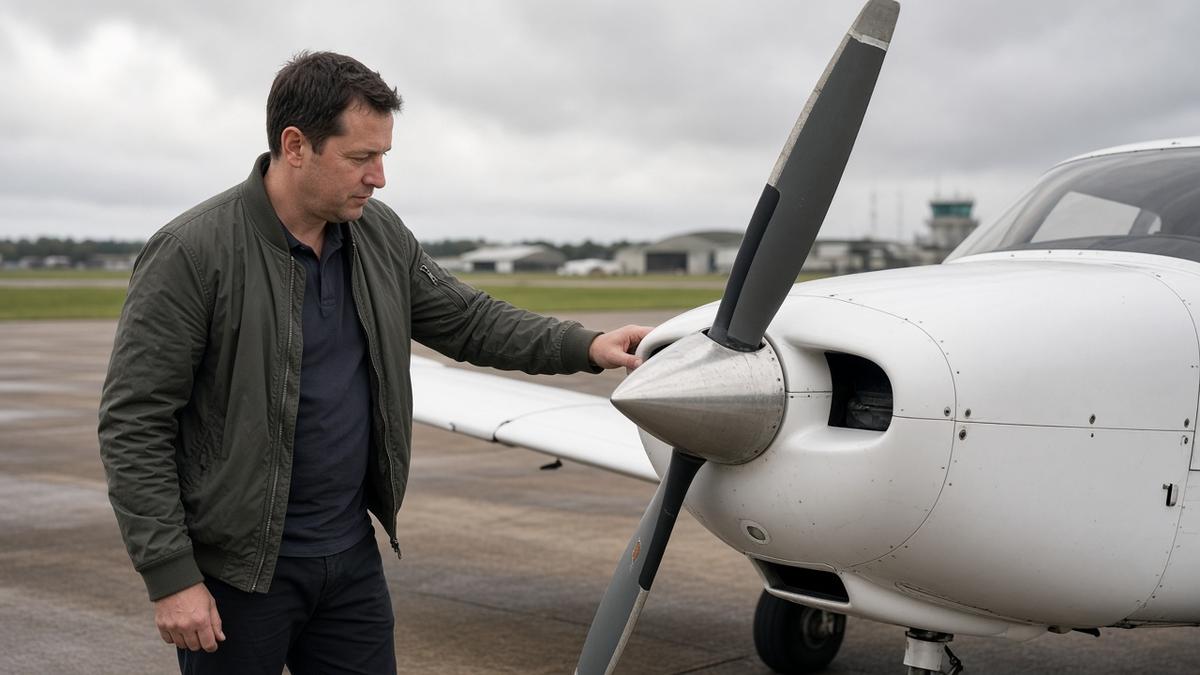
A viewing and test flight tell you whether you like the aircraft. They do not tell you whether it is sound. For that you need an independent pre-purchase inspection by a licensed engineer who has no connection with the seller. Agree in writing who pays for the inspection and what happens if it finds airworthiness defects. Our pre-purchase inspection guide covers what a good inspection includes.
5. Agree terms and complete safely
With the inspection report in hand, you can agree a final price, either with defects rectified by the seller or with the cost reflected in the deal. Use a written sale agreement covering the price, deposit, any conditions, and the date and place of handover. On completion:
- Pay through a traceable method, ideally via a client account or escrow arrangement.
- Receive all logbooks, certificates and the bill of sale.
- Notify the CAA of the change of registered owner so the UK register is updated.
- Have your insurance in place from the moment you take ownership.
A broker can manage much of this for you, from vetting the aircraft to holding funds until both sides are satisfied. If you would like help finding the right aircraft, talk to us.
Frequently asked questions
Do I need a pre-purchase inspection if the aircraft has just had its annual?
Yes. An annual inspection shows the aircraft met the required standard on the day it was signed off, but it was carried out for the owner, not for you. An independent inspection is your protection.
How long does buying an aircraft take?
Once you have found the right aircraft, a straightforward purchase often completes in two to four weeks. Inspections, defect rectification and finance can extend that.
Can I buy an aircraft with a LAPL?
Yes. There is no licence requirement to own an aircraft, but you need the right licence, class rating and any differences training to fly it.