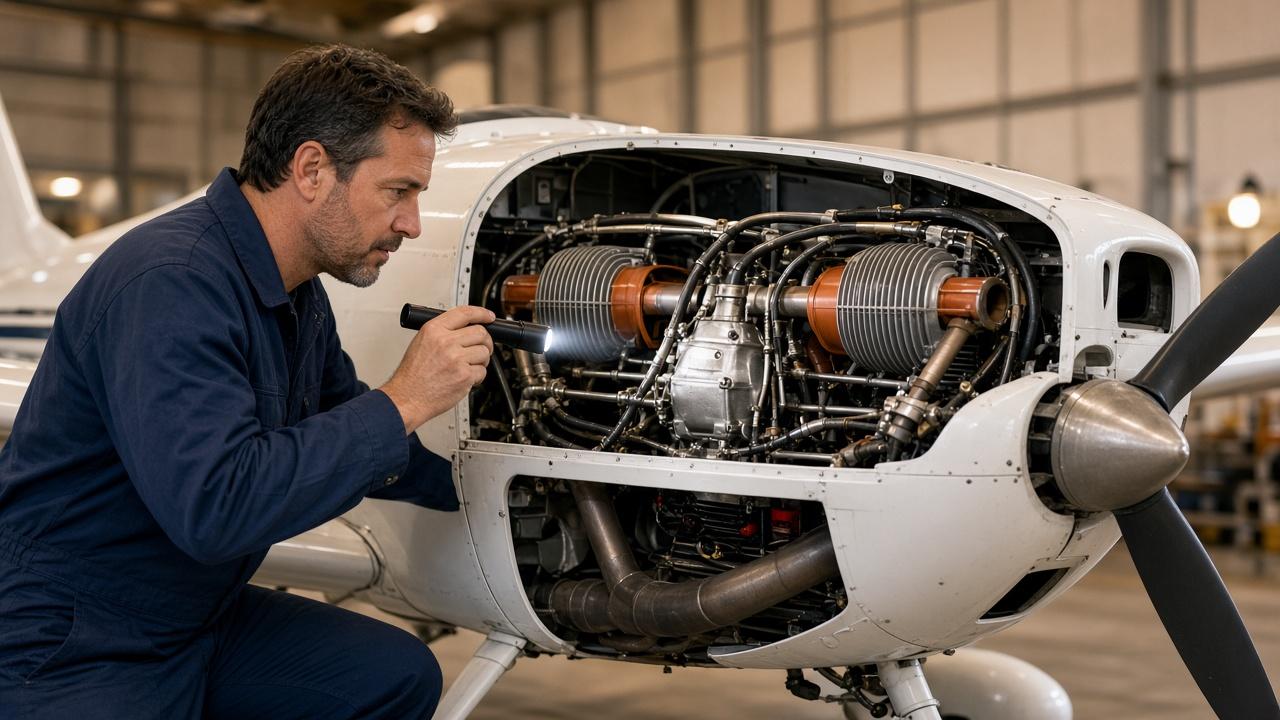
A pre-purchase inspection, often shortened to PPI, is a detailed examination of an aircraft carried out on behalf of the buyer before the sale completes. It is the single best way to avoid an expensive surprise in your first year of ownership, and it gives you solid evidence to negotiate with.
Why the annual inspection is not enough
Sellers sometimes point out that an aircraft has just come out of its annual. That is useful, but it is not the same thing. The annual was commissioned by the current owner, to a scope they agreed with their engineer. A PPI is commissioned by you, to a scope you choose, and its only job is to tell you the truth about the aircraft.
What a thorough inspection covers
The detail varies by type, but a good PPI on a typical single-engine piston aircraft will include the following.
Airframe
- Corrosion, particularly around wing spars, attach fittings, the tail and under floor panels.
- Evidence of previous damage or repairs, and whether they were properly certified and recorded.
- Control cables, pulleys, hinges and rod ends for wear and correct tension.
- Landing gear, brakes, tyres and, on retractables, the gear mechanism and emergency extension.
Engine and propeller
- A compression test on each cylinder and, where possible, a borescope look inside.
- Oil filter inspection for metal and, ideally, an oil analysis.
- Leaks, exhaust condition, engine mounts and baffles.
- Propeller condition, hours and calendar time since overhaul.
Records and compliance
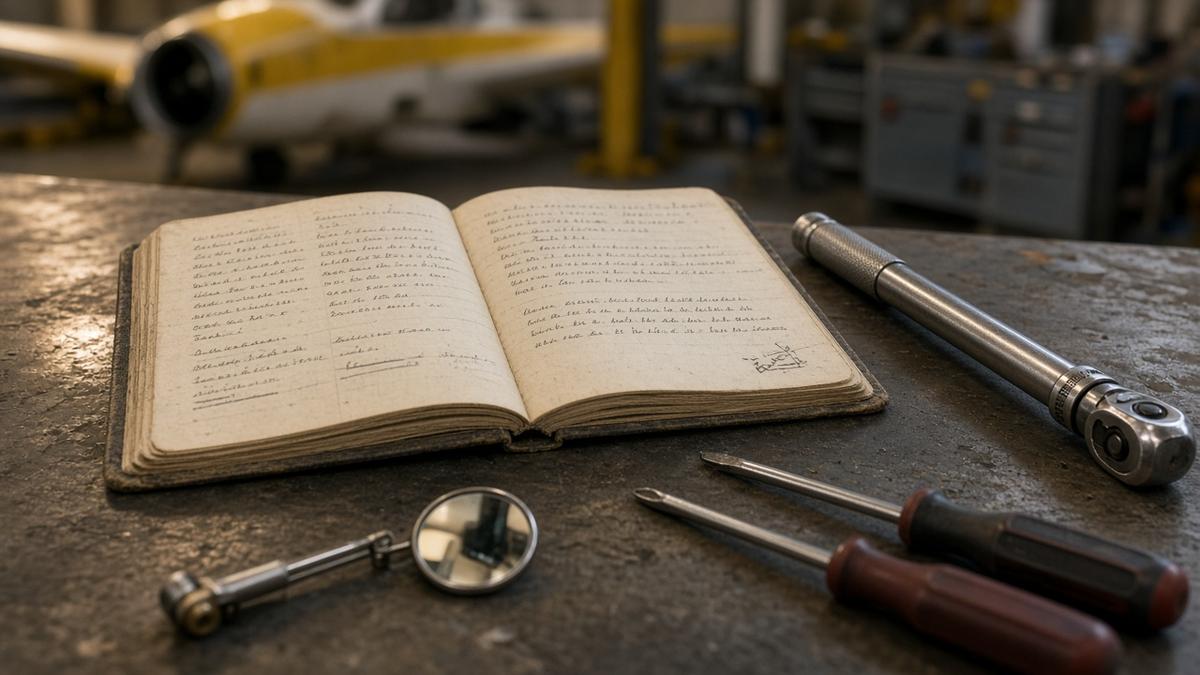
The engineer should check the logbooks against the aircraft: that Airworthiness Directives have been complied with and recorded, that life-limited parts are within limits, that modifications are approved and recorded, and that the weight and balance schedule reflects the aircraft as it is today. Our guide to reading aircraft logbooks explains what these records should contain.
Typical cost and timescale
Costs depend on the type and the depth of inspection, but for a typical four-seat single you should expect a figure in the region of a day or two of engineering time plus any specialist tests. It is a small fraction of what an undiscovered corrosion problem or a tired engine would cost. Most inspections take one to three days, depending on access and the engineer’s workload.
Using the findings
A PPI report usually separates airworthiness items, which must be fixed before the aircraft can legally fly, from advisory items that are worth knowing about. Agree up front how each will be handled. Common approaches are:
- The seller rectifies airworthiness defects before completion at their cost.
- The price is adjusted to reflect the cost of rectification, and you arrange the work.
- Either party can withdraw if the cost of defects exceeds an agreed threshold.
Brokers handle this negotiation every week. If you are buying through Atlantic Aircraft, we can recommend independent engineers and help agree a fair outcome. You can also browse aircraft on the Hangar, where we publish key details up front.
Frequently asked questions
Who pays for a pre-purchase inspection?
The buyer normally pays, because the inspection is carried out on their behalf. Who pays to rectify any defects found is a matter for negotiation.
Can the inspection be done at the seller’s maintenance organisation?
It can, but it is better to use an independent engineer. If that is impractical, make sure the engineer reports directly to you.
Should I fly the aircraft before the inspection?
Yes, a test flight first helps you decide whether the aircraft suits you before you spend money on an inspection.