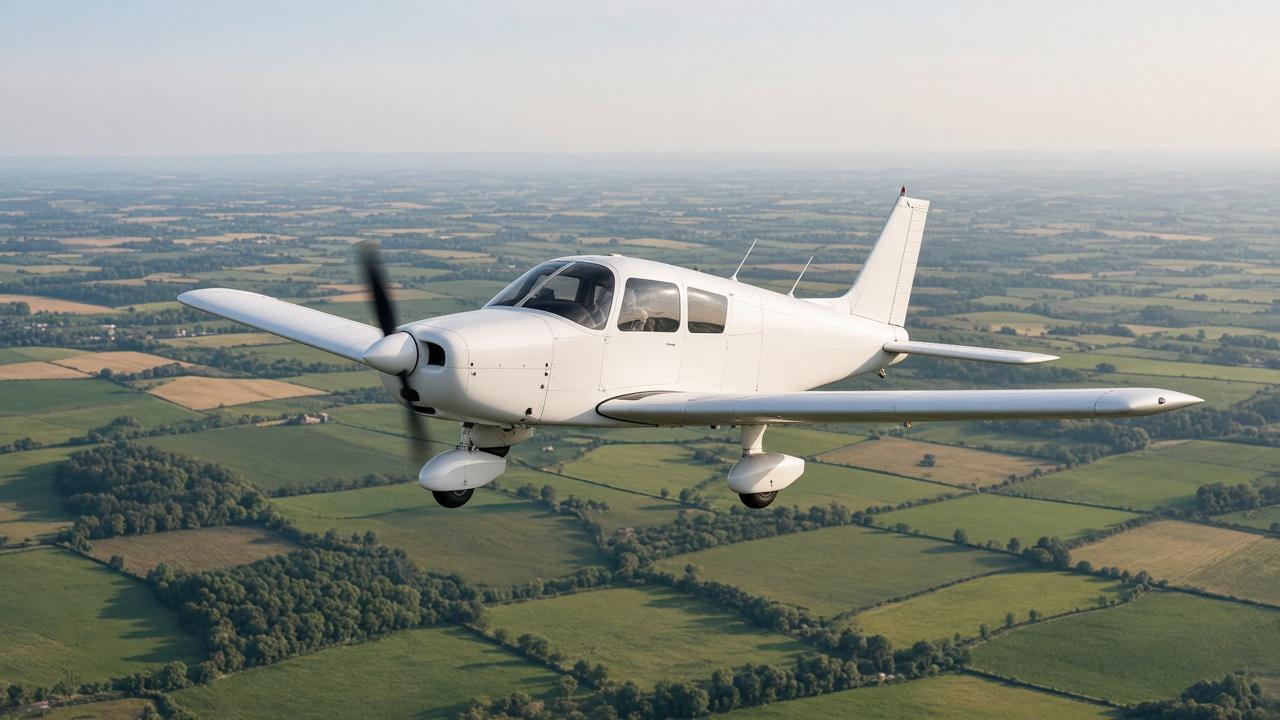
Introduced in the early 1960s, the Piper PA-28 family has been built in huge numbers and remains one of the most common four-seat aircraft at UK airfields and flying schools. Simple, forgiving and well supported, it makes an excellent first aircraft and a capable tourer. With so many variants and decades of production, though, knowing what you are looking at matters.
The main variants
- Cherokee 140, 150 and 160 — the early, lighter models with Lycoming O-320 engines. Economical trainers, often used as two-plus-two seaters.
- Cherokee 180 — a popular all-rounder with the 180 hp Lycoming O-360 and a genuinely useful four-seat payload.
- Warrior — introduced in the 1970s with a longer, semi-tapered wing and 150–160 hp, a favourite with flying schools.
- Archer — 180 hp with the semi-tapered wing; comfortable, stable and well suited to touring.
- Arrow — the retractable-gear, constant-speed propeller version, faster and requiring a complex aircraft endorsement.
Early aircraft have the constant-chord “Hershey bar” wing; later models have the semi-tapered wing, which many pilots find more pleasant in the flare. Both are well proven.
 For sale1980 Piper PA28 - 181 Archer IIView aircraft
Engines and overhaul
Most PA-28s use four-cylinder Lycoming engines, which are robust and widely supported in the UK. Manufacturer TBOs for these engines are commonly around 2,000 hours, with a recommended calendar limit too. Engine time is the biggest single factor in a PA-28’s value, so compare aircraft on hours remaining to overhaul as well as on headline price.
Common issues to check
The wing spar Airworthiness Directive
In 2020 the US FAA issued an Airworthiness Directive requiring inspection of the main wing spar on many PA-28 and PA-32 models, with applicability based on the aircraft’s service history, particularly time spent in training use. Ask how any aircraft you are considering has been assessed against this AD and what was found.
Other things to look at
- Corrosion — around the wing spar and attach points, the stabilator, and under floor panels.
- Fuel system — the left/right fuel selector, sumps and fuel tank sealant.
- Landing gear — the nose gear oleo, shimmy damper and steering linkages.
- Training history — ex-school aircraft often have many hours and landings; this is not a problem if maintenance has kept pace.
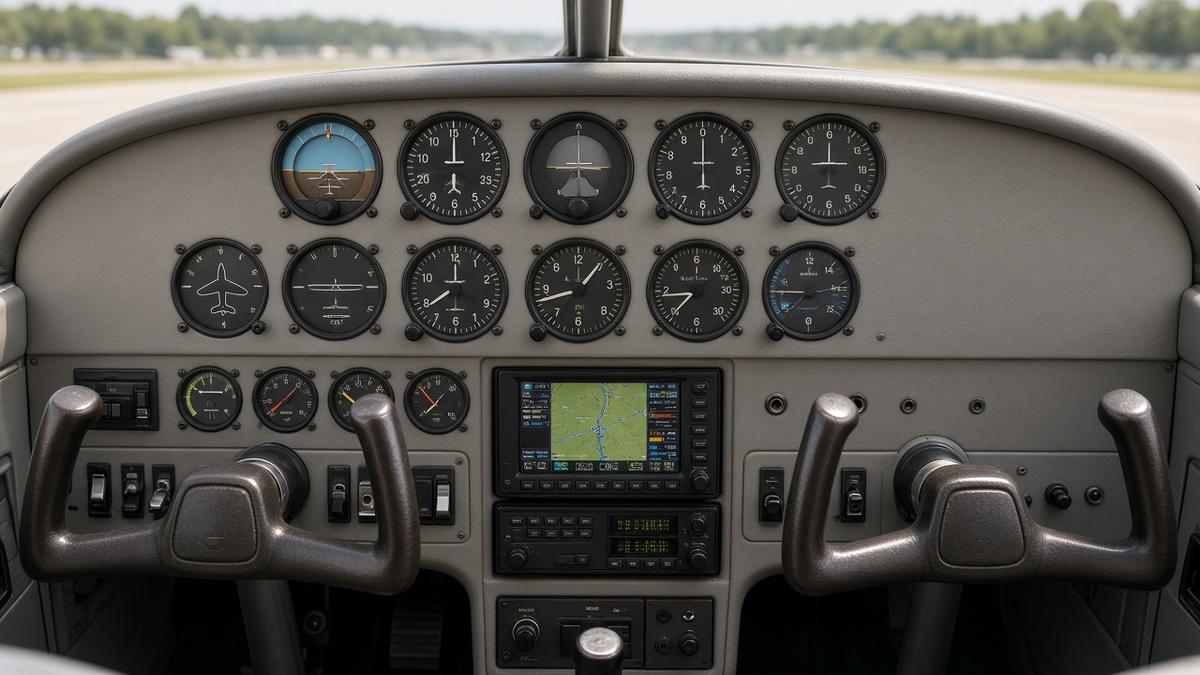
- Avionics — confirm the radio, transponder and GPS meet current UK requirements.
Is a PA-28 right for you?
If you want a stable, honest four-seater with low running costs and excellent parts and engineering support, a PA-28 is hard to beat. Its single door on the right side and low wing suit some pilots more than others; our Cessna 172 vs PA-28 comparison sets out the differences. Before buying, read our pre-purchase inspection guide, and browse current Piper and other single-engine aircraft.
Frequently asked questions
Which PA-28 is best for touring?
The Archer and Cherokee 180 are popular choices, combining 180 hp with a good payload. The Arrow is faster but more expensive to maintain.
Can a PA-28 carry four adults?
Often, but not always with full fuel. Payload varies by variant and individual aircraft, so always work out weight and balance for the specific aircraft.
Is a PA-28 a good first aircraft?
Yes. They are forgiving, familiar to many pilots who trained on them, and well supported by UK engineers.