
An aircraft is only as valuable as its paperwork. Two otherwise identical aircraft can differ in value by tens of thousands of pounds purely because one has complete, well-kept records and the other does not. Here is how to read them with a buyer’s eye.
The documents you should expect to see
- Airframe logbook — the aircraft’s life history, including inspections, repairs and modifications.
- Engine logbook — hours, overhauls, cylinder work and component changes.
- Propeller logbook — hours and calendar time since new or overhaul, and any repairs.
- Certificates — the certificate of registration and either a Certificate of Airworthiness with a valid airworthiness review, or a Permit to Fly for permit aircraft.
- Weight and balance schedule — reflecting the current equipment fit.
- Supporting records — Airworthiness Directive compliance, modification approvals, worksheets and invoices.
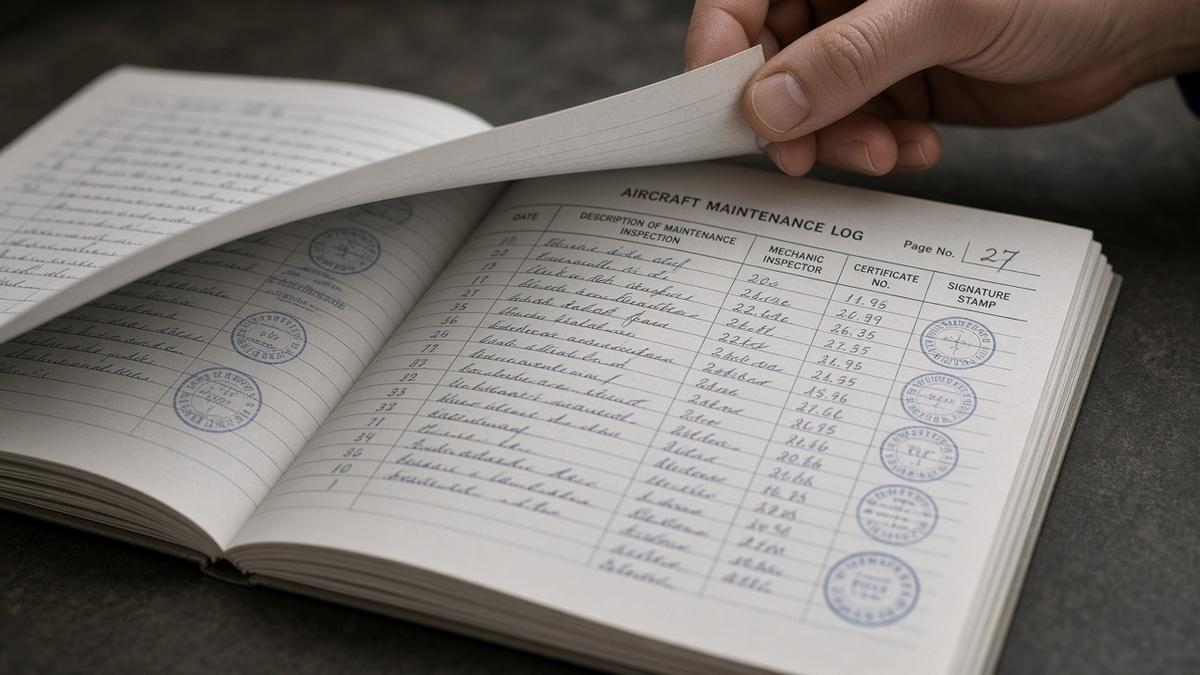
What good records look like
Complete records are continuous: there are no unexplained gaps in dates or hours, and each inspection follows on sensibly from the last. Entries are signed and stamped by the person or organisation that did the work, and big items such as an engine overhaul are supported by the overhauler’s paperwork. Hours should add up across the airframe, engine and propeller logs.
Red flags to watch for
- Gaps of months or years with no entries, which may hide storage, damage or missing books.
- Damage history recorded vaguely, such as “repaired as necessary”, with no detail of what was repaired or how.
- Long periods of inactivity — engines that sit for years can corrode internally, even if the hours look low.
- Modifications without approval, or equipment fitted that is not reflected in the weight and balance.
- Replacement logbooks without a clear explanation of what happened to the originals.
Understanding engine hours
Engine manufacturers publish a recommended time between overhauls, or TBO, in both flying hours and calendar years. An engine at 1,800 hours on a 2,000-hour TBO has much less life left than one at 400 hours, and the price should reflect that. Calendar time matters too: a low-hours engine overhauled fifteen years ago may be due attention sooner than its hours suggest. Our PA-28 buyer’s guide gives worked examples for one of the most popular types on the UK market.
Get an expert to check them
Even experienced pilots miss things in logbooks. As part of a pre-purchase inspection, ask the engineer to review the records in full and cross-check them against the aircraft. If you are selling, putting your own records in order before listing is one of the best ways to sell your aircraft faster.
Frequently asked questions
Is an aircraft with missing logbooks worth buying?
Sometimes, but at a significantly reduced price and only after a very thorough inspection. Expect it to be harder to sell later.
What is a CRS?
A Certificate of Release to Service is the signed statement by an engineer that maintenance has been completed and the aircraft is fit to return to service. Every significant job should have one.
Do permit aircraft have logbooks?
Yes. Permit to Fly aircraft operated through the LAA or BMAA also keep airframe and engine logbooks, along with records of permit renewals and approved modifications.