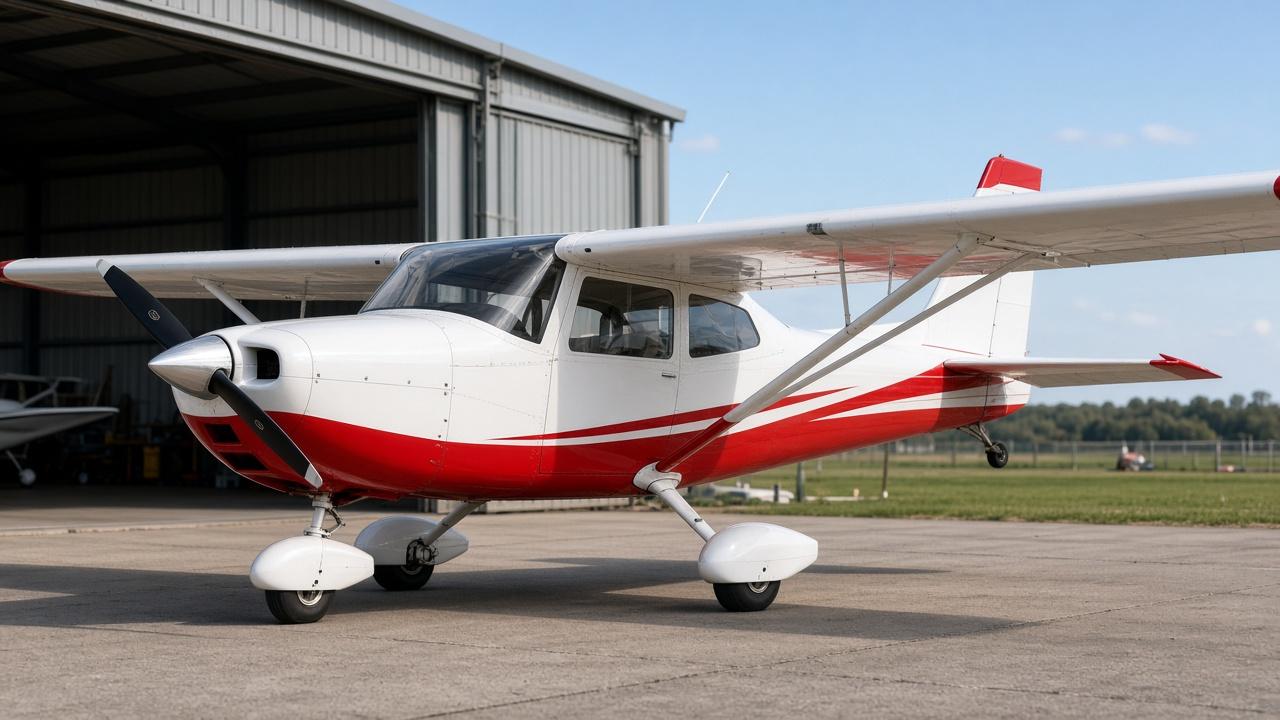
Most aircraft that sit on the market for months are not bad aircraft. They are priced optimistically, presented poorly or let down by paperwork that makes buyers nervous. The good news is that all three are within your control. This guide covers the preparation that makes the biggest difference.
Start with the paperwork
Serious buyers, and their engineers, will judge your aircraft on its records before they see it. Gather everything in one place:
- Airframe, engine and propeller logbooks, ideally back to new.
- The certificate of registration, airworthiness certificate and current airworthiness review, or Permit to Fly.
- Airworthiness Directive compliance records and approvals for any modifications.
- The current weight and balance schedule, and invoices for significant work.
Fill any gaps you can before listing. A short note explaining a known gap is far better than a buyer finding it. Our guide to reading aircraft logbooks shows what buyers will look for.
Presentation sells aircraft
Buyers are making an emotional decision as well as a financial one. A clean, tidy aircraft suggests a cared-for aircraft. Before photographs and viewings:
- Wash and polish the exterior, and clean the windscreen with a proper aviation cleaner.
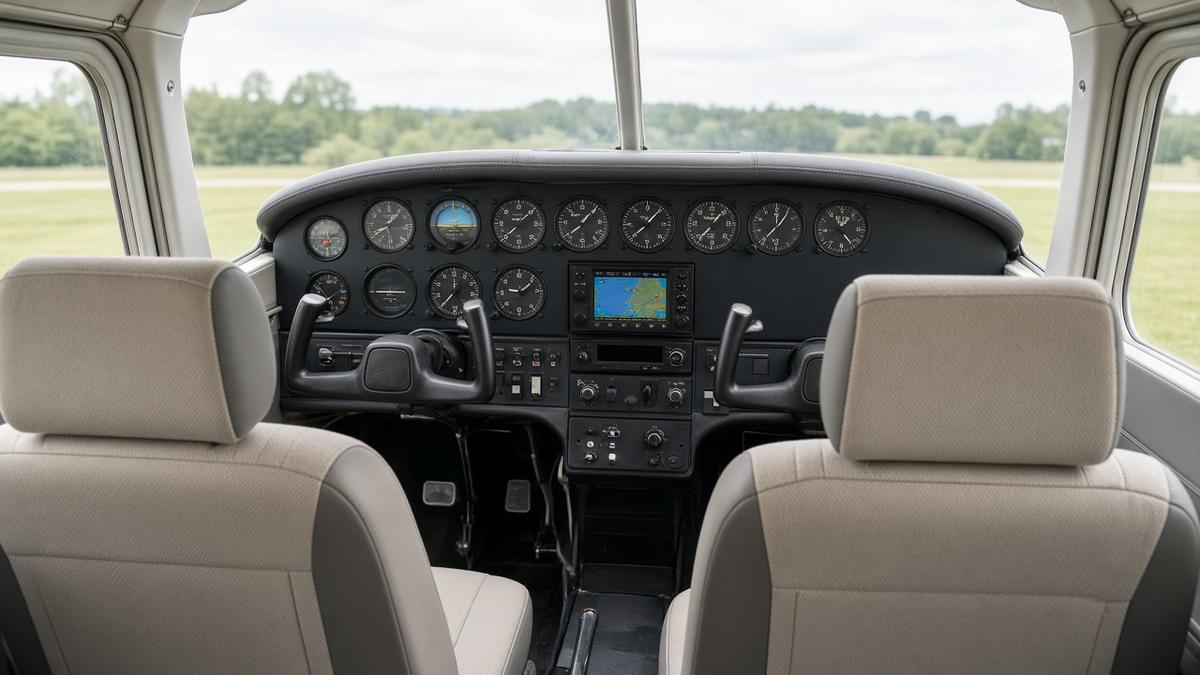
- Vacuum the interior, clean the panel and remove personal items, charts and clutter.
- Fix small, visible defects such as broken placards, missing screws or a tired seat belt.
- Make sure the battery is healthy and the aircraft starts easily for test flights.
Good photographs are your shop window. See our guide to photographing your aircraft for sale.
Price it realistically
The single biggest factor in how long an aircraft takes to sell is its asking price. Base it on recent comparable sales, not the highest asking price you can find, and adjust for engine hours, avionics, damage history and condition. Our guide on how to price an aircraft for sale explains the factors in detail.
Handling enquiries and viewings
- Answer enquiries quickly and honestly, sending logbook scans to serious buyers.
- Qualify buyers before viewings: their licence, experience, budget and timescale.
- For test flights, agree insurance cover and who is pilot in command in advance.
- Expect a pre-purchase inspection, and agree in writing how defects will be handled.
Completing the sale
Use a written sale agreement and never release the aircraft or its documents until cleared funds have arrived. Afterwards, notify the CAA of the change of ownership, cancel or transfer your insurance and hangar agreement, and hand over every logbook and certificate.
If you would rather not manage this yourself, a broker can value, market and sell your aircraft, qualify buyers and handle the money safely. Find out how Atlantic Aircraft works, or browse the Hangar to see how we present the aircraft we sell.
Frequently asked questions
How long does it take to sell an aircraft?
A well-presented, realistically priced aircraft of a popular type can sell within weeks. Unusual types or optimistic prices can take many months.
Should I renew the airworthiness review before selling?
An aircraft with a fresh annual and airworthiness review is easier to sell and to test fly. If renewal is due soon, it is usually worth doing.
Do I need to declare damage history?
Yes. Be open about any damage and how it was repaired. It will be found in the logbooks or the inspection, and hiding it destroys trust.