There is no official price guide for used light aircraft in the UK, and every aircraft is different. That makes pricing feel like guesswork. In practice, buyers and brokers value aircraft in a fairly consistent way, and once you understand it you can set a price that sells.
Start with comparable aircraft
Look at aircraft of the same type and similar year that have sold recently, not just those currently advertised. Asking prices are aspirations; sold prices are the market. A broker who sells the type regularly will have a good feel for real transaction values. You can see what is on the market now on the Hangar.
The factors that move the price
- Engine time — usually the biggest single factor. Hours and calendar time remaining before overhaul directly affect value, because the next owner will have to pay for that overhaul.
- Avionics — a modern GPS, autopilot or glass display can add significant value; dated or non-compliant equipment detracts from it.
- Damage history — a well-documented, properly repaired incident reduces value modestly; poorly documented damage reduces it a lot.
- Records — complete logbooks back to new are worth paying for. Missing records are a discount.
- Paint and interior — cosmetic condition affects how quickly an aircraft sells as much as what it sells for.
- Airworthiness status — a fresh annual and airworthiness review make an aircraft easier to buy and fly away.
Upgrades rarely pay back in full
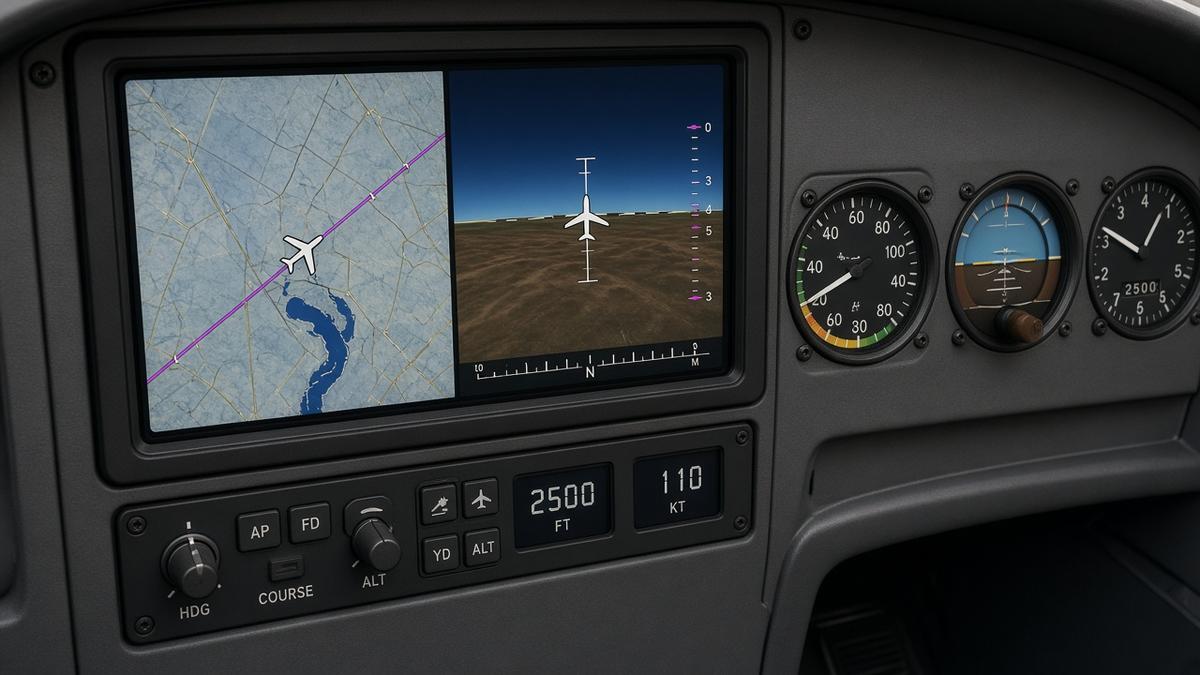
Owners are often surprised that an avionics upgrade costing a large sum adds noticeably less to the sale price. Upgrades make an aircraft more attractive and quicker to sell, but buyers will not pay the full installed cost. If you are planning an upgrade, do it because you will enjoy it, not purely as an investment ahead of a sale.
Setting the asking price
- Establish a realistic range from recent comparable sales.
- Adjust up or down for engine time, avionics, records and condition.
- Leave modest room for negotiation, but avoid pricing far above the market.
- Review the price if you have had little serious interest after a few weeks.
An overpriced aircraft tends to sit, and the longer it sits the more buyers wonder what is wrong with it. A sharp price at the start often achieves a better final result than a high price that is reduced repeatedly. Timing matters too; see our note on seasonality in the UK aircraft market.
Get a second opinion
If you are unsure, ask for a valuation. Atlantic Aircraft provides valuations as part of our sales service, drawing on the aircraft we have sold. Preparation matters as much as price, so read our guide on preparing your aircraft for sale as well.
Frequently asked questions
Does a fresh engine overhaul increase value?
Yes. A recently overhauled engine from a reputable shop adds substantial value, though usually less than the full cost of the overhaul.
Should I include a price or say POA?
A clear asking price generally attracts more serious enquiries. Price on application can suit unusual or high-value aircraft.
How much room should I leave for negotiation?
A modest margin is normal. Pricing far above the market to allow for negotiation usually deters buyers.