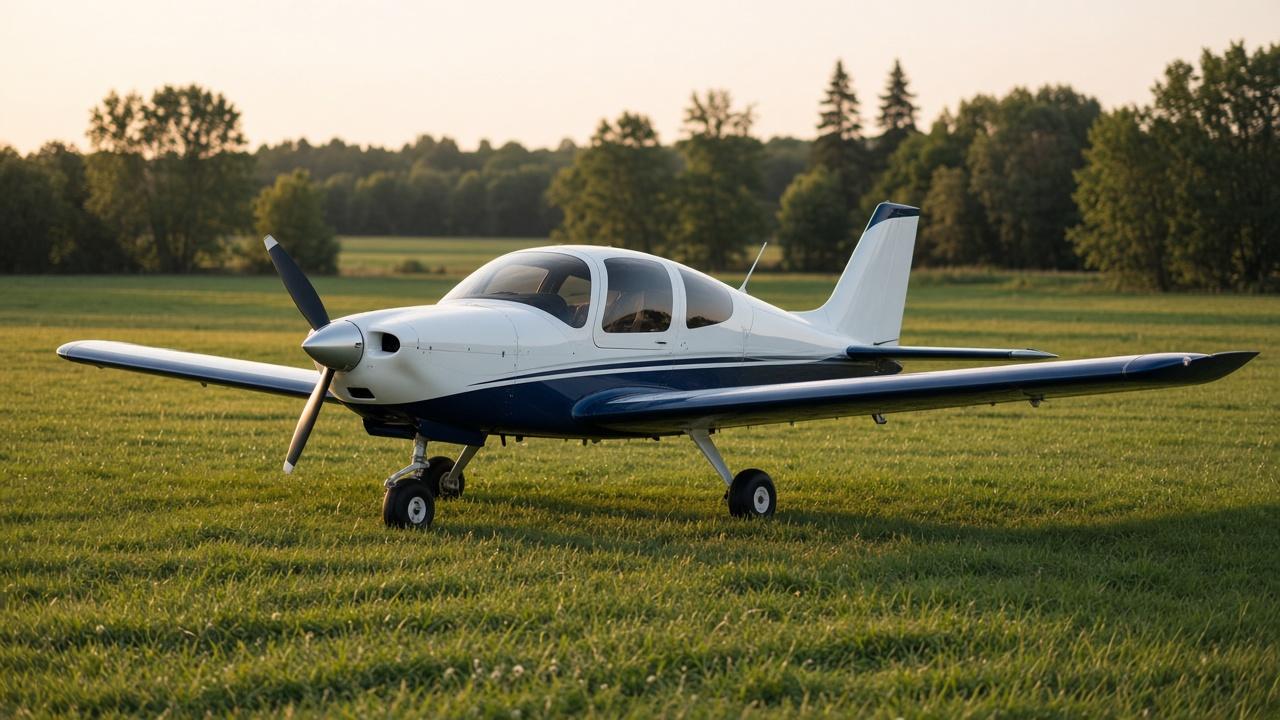
Most buyers decide whether to enquire about an aircraft within a few seconds of seeing the first photograph. Good pictures will not make a poor aircraft sell, but bad pictures can stop a good one from selling. You do not need professional equipment; a modern phone and a little planning are enough.
Prepare the aircraft first
Clean the aircraft inside and out, remove covers, chocks, tie-downs and anything personal from the cabin, and make sure the propeller is positioned neatly. Choose a clean, uncluttered background: an open area of the airfield works far better than the back of a busy hangar. Our guide to preparing your aircraft for sale covers presentation in more detail.
Use the right light
Shoot in soft, even light. Early morning and late afternoon give warm light and gentle shadows; a bright overcast day is also excellent because it avoids harsh reflections on paintwork. Avoid midday sun, which creates strong glare on white paint and deep shadows under the wings.
The shots buyers want
A complete set of photographs answers buyers’ questions before they ask. Aim for:
- Exterior — front three-quarter view from both sides, full side profile, rear three-quarter view and head-on.
- Details — the propeller, spinner, wheels and fairings, wing tips and any distinctive features.
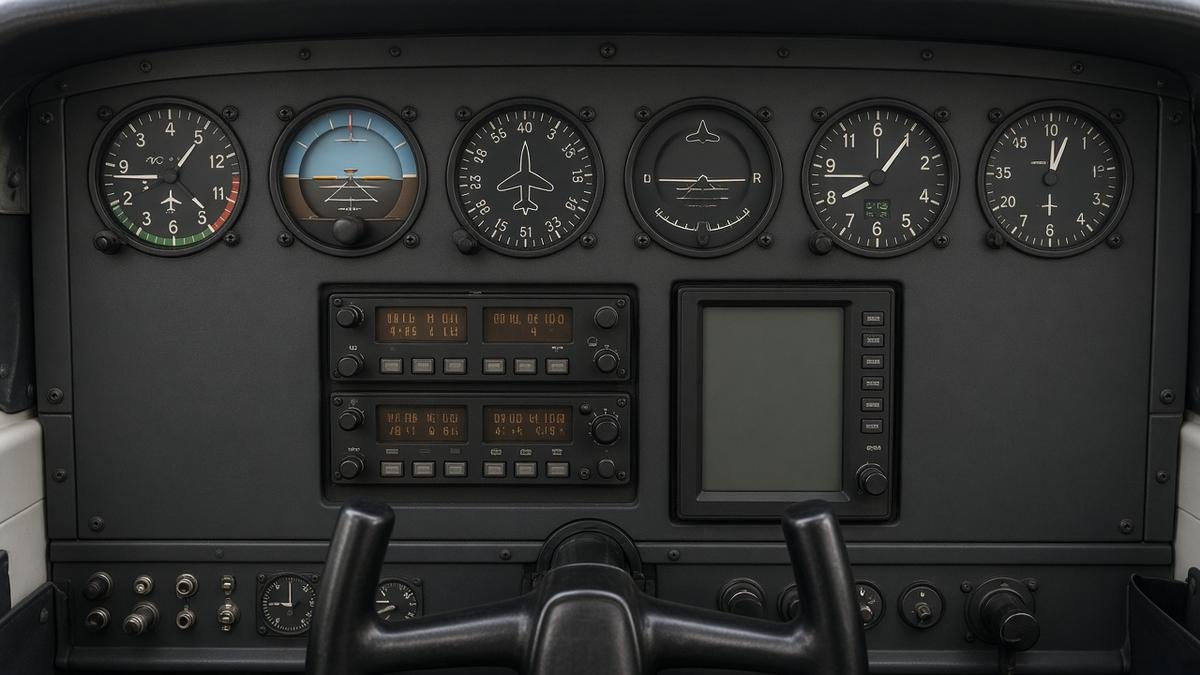
- Panel — a straight, well-lit shot of the full instrument panel, plus close-ups of the avionics.
- Interior — front and rear seats, headliner, carpets and the baggage area.
- Engine — with the cowling open if possible, clean and well lit.
- Paperwork — a tidy shot of the logbooks, which signals complete records.
Framing and technique
- Crouch down to around wing height; shooting from standing height makes aircraft look squat.
- Use the main camera lens rather than the ultra-wide, which distorts the aircraft.
- Keep the horizon level and leave space around the aircraft in the frame.
- Take more shots than you need, then choose the sharpest and best lit.
Be honest
Photograph the aircraft as it is. Do not hide a tired interior or a scuffed wing root; buyers will see it at the viewing and feel misled. Honest photographs bring the right buyers, and those are the ones who complete. To see how we present aircraft, browse the Hangar, or read about pricing your aircraft.
Frequently asked questions
How many photographs should I include?
Twenty to forty well-chosen images is a good range for a light aircraft. Cover the exterior, panel, interior, engine and paperwork.
Should I include aerial photographs?
Air-to-air shots look superb but need careful planning and a qualified formation pilot. Good ground shots are perfectly adequate for most sales.
Is it worth paying a photographer?
For higher-value aircraft, professional photographs can pay for themselves. For most light aircraft, careful phone photography works well.