
Where you keep your aircraft affects its condition, its value, your insurance and how easily you can go flying. For many UK owners the choice comes down to cost and availability, so it pays to understand what you gain and lose either way.
The case for a hangar
The UK climate is hard on aircraft. Rain, damp and temperature swings encourage corrosion, while sunlight degrades paint, plastics and interiors. A hangar protects against all of these, and against storm damage and accidental knocks on a busy apron. Hangared aircraft typically:
- Suffer less corrosion and keep their paint and interior in better condition.
- Are less likely to have water ingress into fuel tanks, instruments and the cabin.
- Are ready to fly sooner, with no covers to remove or frost to clear.
- Command a higher price when sold, as buyers value a hangared history.
The case for parking outside
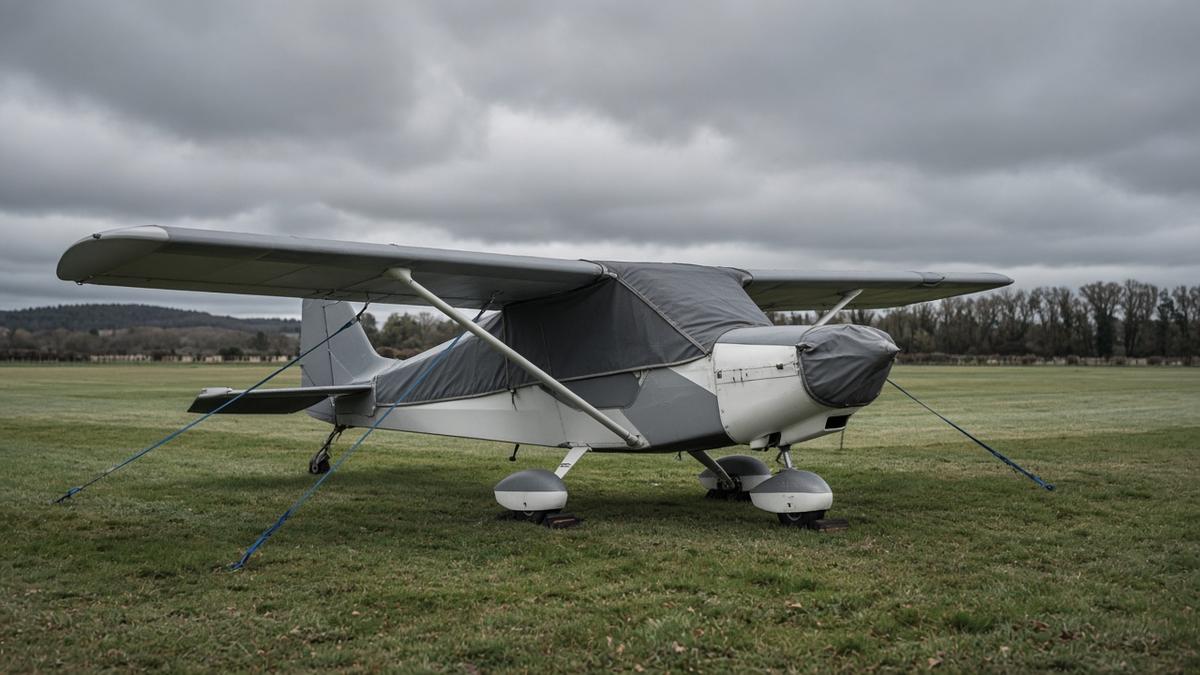
Outdoor parking is cheaper, sometimes dramatically so, and at many airfields hangar space simply is not available. Plenty of aircraft live happily outside for years. The keys to doing it well are protection and regular use:
- Covers — a good canopy cover keeps water out of the cabin and protects the interior from sun; engine and pitot covers keep out water and insects.
- Tie-downs — secure, properly maintained tie-down points are essential in British winds.
- Regular flying — aircraft that fly regularly fare much better outside than those that sit.
- Extra inspections — pay closer attention to corrosion and drainage at each maintenance visit.
Shared hangars and hangar etiquette
Most hangarage at UK airfields is shared, with several aircraft packed in carefully. That means you may need help or a tug to move your aircraft, and access may be limited outside operating hours. Ask about access times, who moves aircraft and how often hangar rash happens before you sign up.
Making the decision
Weigh the extra annual cost of a hangar against the condition and resale benefits, and how often you will fly. For a high-value or fabric-covered aircraft, a hangar is close to essential. For a robust metal aircraft that flies weekly, a well-managed outdoor spot can work well. Our guide to the cost of owning a light aircraft puts hangarage in context, and group ownership can make a hangar more affordable.
Frequently asked questions
Does insurance cost more if I park outside?
It can. Some insurers adjust premiums for aircraft kept outside, particularly at exposed sites. Ask your broker for quotes both ways.
Can microlights be kept outside?
Many three-axis microlights can be, with good covers, but fabric and flex-wing aircraft generally need to be hangared or folded and stored.
How can I find hangar space?
Ask around at local airfields, join waiting lists early and consider strips slightly further from home, where space is often easier to find.