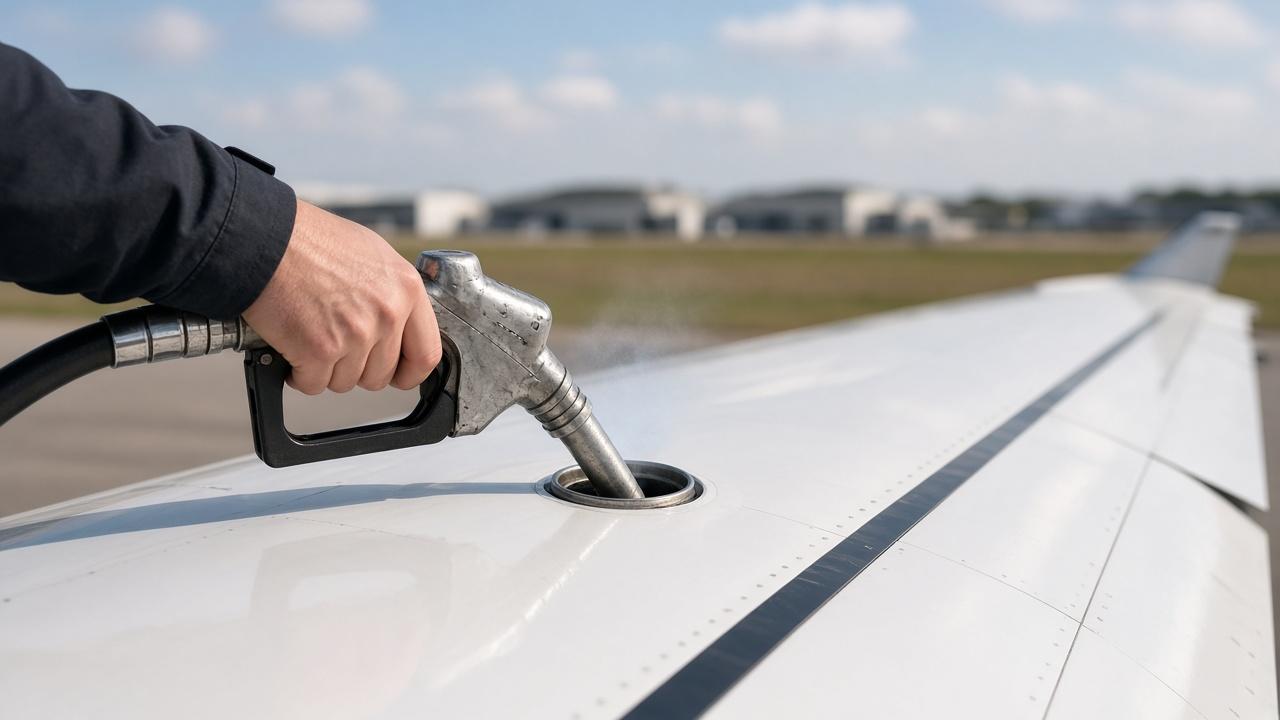
For decades, most piston-engine light aircraft have run on 100LL, a leaded aviation gasoline. Lead has long been removed from road fuel, and aviation is now following. The transition will take years, but it is already affecting the fuel on sale at some airfields and the questions buyers ask about an aircraft.
Why the change is happening
100LL contains tetraethyl lead, which helps prevent engine knock in higher-compression engines. Lead is toxic, and regulators and industry in the US and Europe have committed to replacing leaded avgas. In the US, a joint government and industry initiative has set a goal of eliminating leaded fuel from piston aviation by the end of 2030. Timescales in the UK and Europe are still developing.
The unleaded fuels available
- UL91 — an unleaded avgas already sold at a number of UK and European airfields, suitable for many lower-compression engines when approved by the engine manufacturer.
- High-octane unleaded avgas — fuels designed as drop-in replacements for 100LL, such as GAMI’s G100UL, which has received US approvals; availability in the UK is still limited.
- Mogas — unleaded motor gasoline, which some engines and airframes are approved to use, subject to limits on ethanol content.
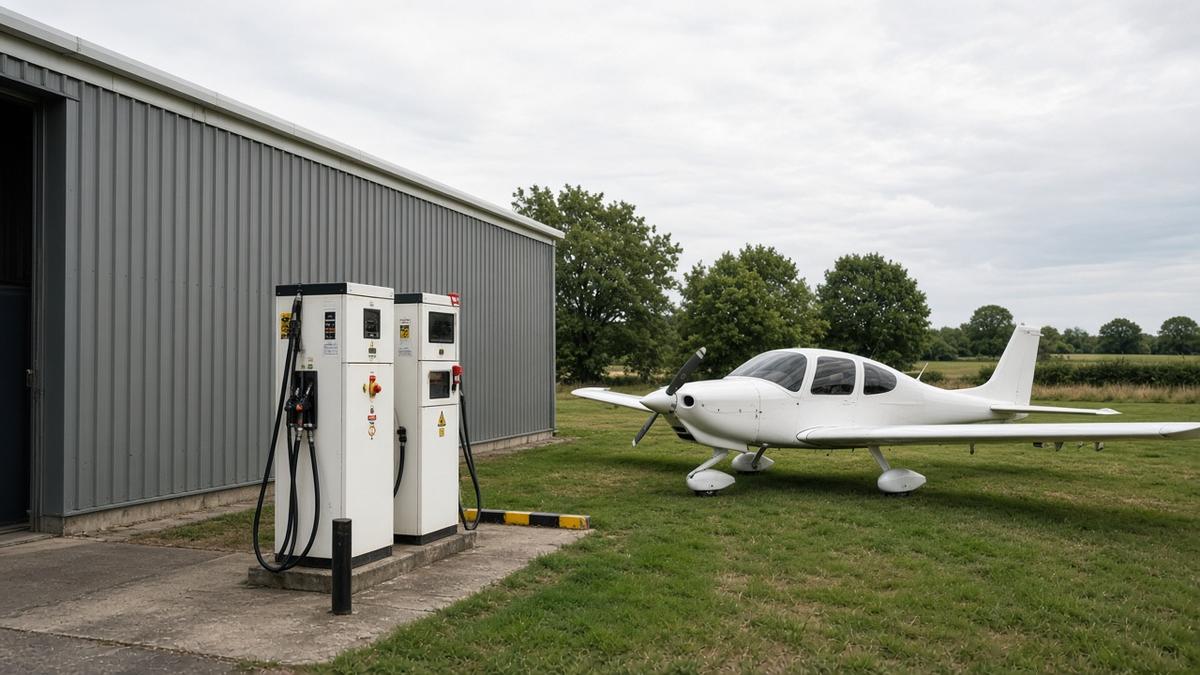
Which aircraft are affected?
Many popular four-cylinder engines with lower compression ratios, such as those in early PA-28s and Cessna 150s and 172s, are approved by their manufacturers to run on UL91 or approved mogas. Higher-compression and turbocharged engines generally need 100-octane fuel, and will rely on new high-octane unleaded fuels as they become available. Rotax engines, common in microlights and light sport aircraft, are typically designed to run on unleaded fuel.
What it means for owners
- Check what fuels your engine is approved for, and whether any paperwork is needed to use them.
- Ask your engineer whether unleaded fuel would change your maintenance; some owners report cleaner plugs and oil.
- Keep an eye on fuel availability at the airfields you use regularly.
- Be careful with mogas that contains ethanol, which can damage fuel system components not designed for it.
What it means for buyers
Fuel compatibility is becoming a sensible question to ask when buying. An aircraft whose engine is already approved for unleaded fuel may be cheaper to run and less exposed to future fuel changes. This is unlikely to transform values overnight, but it is worth factoring into your thinking alongside the usual items in our PA-28 buyer’s guide and ownership costs guide. You can browse current listings on the Hangar.
Frequently asked questions
Can I mix UL91 and 100LL?
Engine manufacturers that approve UL91 generally allow it to be mixed with 100LL, but check the guidance for your specific engine.
Will 100LL disappear soon?
Not overnight. The transition is expected to take several years, with leaded fuel remaining available while replacements become established.
Is unleaded fuel cheaper?
It depends on the fuel and airfield. Prices vary, so compare locally.