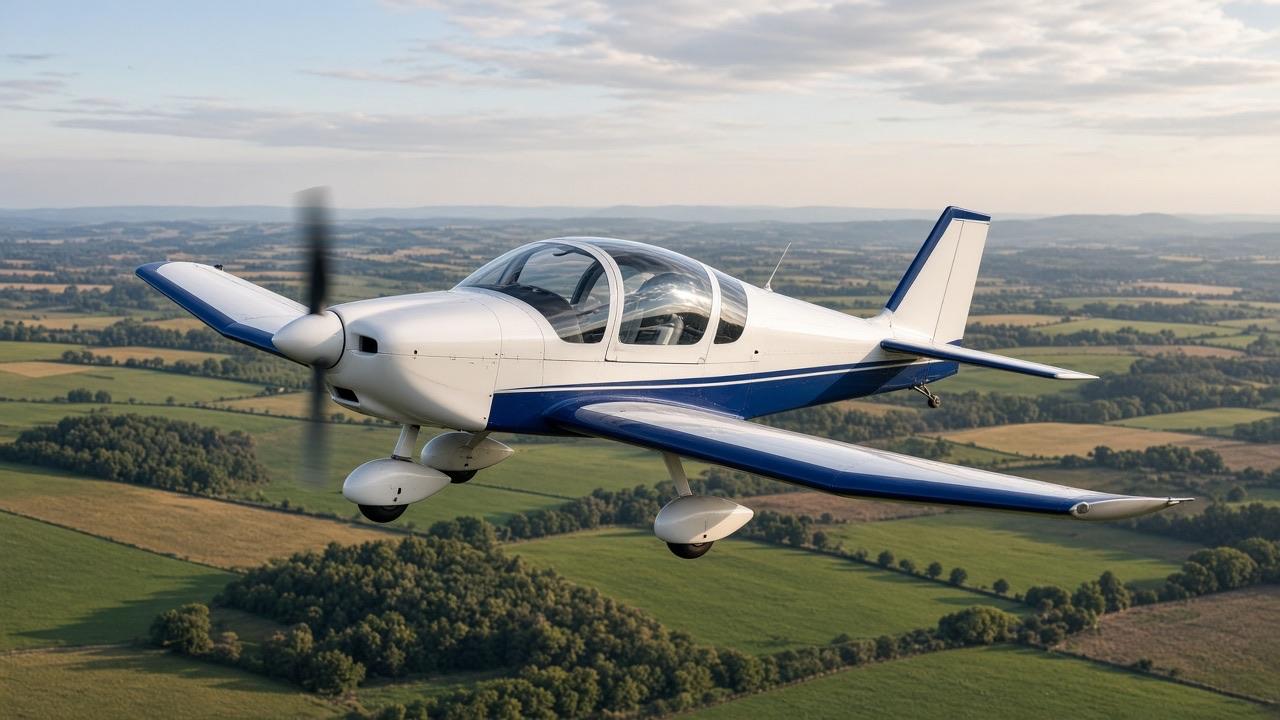
The Robin DR400 is a familiar sight at UK airfields and gliding clubs, yet it is less well known than the Pipers and Cessnas it competes with. Designed in France and built since 1972, it combines a wooden airframe, a large forward-sliding canopy and the distinctive cranked wing of its Jodel ancestors. Owners love its visibility, short-field performance and cruise speed. Here is what to know before you buy one.
A brief history
The DR400 came from the partnership between Jean Délemontez, co-designer of the Jodel, and Pierre Robin, whose company built a series of wooden touring aircraft from the late 1950s. The DR400 developed the earlier DR200 and DR300 series, and versions of it have been built for decades. The company has changed hands more than once, but the type remains supported by its current type certificate holder.
The main variants
- DR400/120 Dauphin — the entry model with a Lycoming O-235 of around 110–120 hp. Economical, and often described as a two-plus-two because of its limited payload.
- DR400/140B Dauphin 4 — a 160 hp Lycoming O-320 and a more useful four-seat capability.
- DR400/160 Chevalier or Major — 160 hp, a popular all-rounder for touring.
- DR400/180 Régent — the 180 hp Lycoming O-360 version, the most capable tourer, with a useful four-seat payload.
- DR400/180R Remorqueur — a 180 hp version adapted for towing gliders, common at UK gliding clubs.
- DR400/500 Président and later models — more powerful, fuel-injected and better-equipped versions built from the late 1990s onwards.
Names and specifications changed over the years, so check the exact model and engine on the aircraft’s documents rather than relying on the advert.
What it is like to fly and own
The large canopy gives superb visibility, and the light controls and good climb make the DR400 enjoyable to fly. The 180 hp Régent cruises at around 125–135 knots, which is quick for a fixed-gear four-seater, and the type’s short-field performance suits grass strips well. You climb in over the wing and through the sliding canopy, which some passengers find easier than a single door and others find awkward.
The wooden airframe
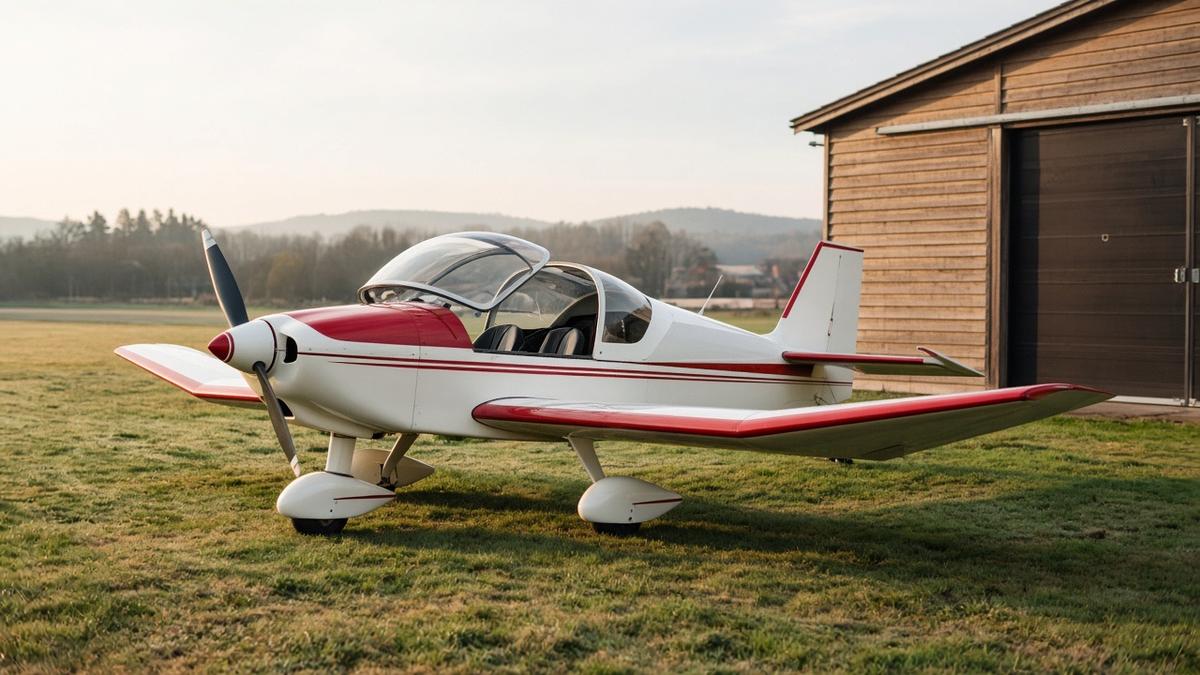
The DR400 is built from wood with a fabric covering. Wood is strong, light and long-lasting when it is looked after, but it does not tolerate water. The condition of the structure, especially the glued joints, is the most important thing to check when buying one, and it is why hangarage matters more for a Robin than for most metal aircraft. Our guide to hangar or outside parking covers the trade-offs.
What to check
- Structure and glue joints — signs of moisture, soft or discoloured wood and any history of structural repair.
- Fabric and paint — the condition of the covering, cracking and any areas of repair.
- Canopy — the canopy, its rails and its seals; leaks let water into the cabin and structure.
- Storage history — how and where the aircraft has been kept for most of its life.
- Engine — usually a Lycoming O-320 or O-360; check the hours, dates and condition. See engine hours and TBO.
- Glider towing history — tugs work hard, with many short flights and engine cycles; this is fine if maintenance has kept pace.
- Airworthiness Directives — confirm compliance, including any that apply to the wooden structure.
Parts and support
Parts and technical support are available through the type certificate holder and a network of specialist maintainers in the UK and France. Lead times for some parts can be longer than for common American types, so it is worth knowing which engineer you will use before you buy.
 For sale1972 Robin DR400-180View aircraft
Is a DR400 right for you?
If you want a fixed-gear four-seater that is quicker than most of its rivals, with great visibility and good short-field manners, and you can keep it in a hangar, a DR400 is an excellent choice. Compare it with the Piper PA-28 and Cessna 172 before deciding, browse the Hangar, and talk to us if you would like help.
Frequently asked questions
Is a wooden aircraft like the DR400 a good buy?
Yes, if it has been well maintained and hangared. Wooden airframes can last for decades, but water damage is costly to repair, so a thorough inspection by an engineer experienced with wooden aircraft is essential.
How fast is a Robin DR400?
It depends on the variant. The 180 hp DR400/180 Régent typically cruises at around 125–135 knots, which is quick for a fixed-gear four-seater; lower-powered versions are slower.
Can a Robin DR400 be kept outside?
It is possible, but not ideal. Prolonged exposure to rain and damp harms a wooden airframe and fabric covering, so most owners and engineers strongly recommend a hangar.