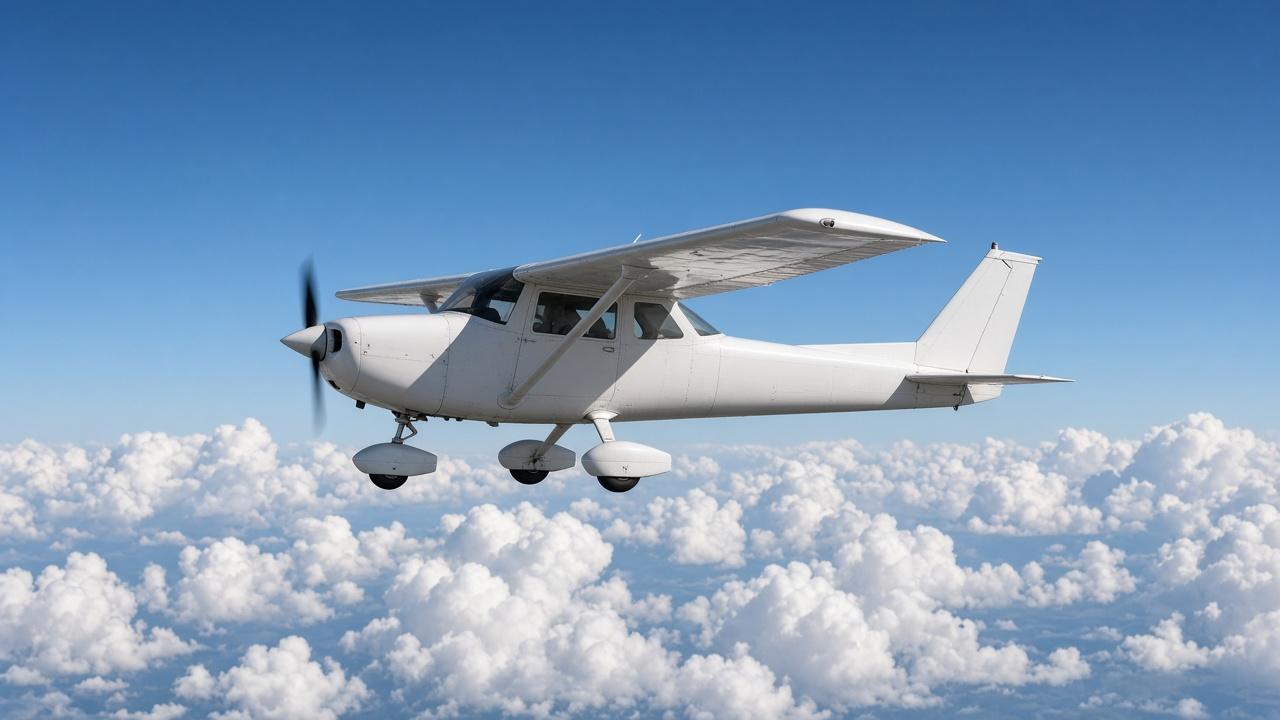
Pilots training towards a Commercial Pilot Licence need to build up a substantial number of flying hours, much of it as pilot in command. Renting can quickly become expensive, so many consider buying an inexpensive aircraft, flying it intensively and selling it once the hours are done. Done well it can save a significant sum; done badly it can cost more than renting.
How the maths works
When you rent, you pay a fixed hourly rate that covers the club’s fuel, maintenance, insurance, hangarage and profit. When you own, you pay the fixed costs yourself, plus fuel and maintenance per hour, and you recover most of the purchase price when you sell. The more hours you fly in a short period, the more the fixed costs are spread and the better ownership looks. Our ownership costs guide explains how to calculate a cost per hour.
Choosing the right aircraft
The ideal hour-building aircraft is cheap to buy, cheap to run and easy to sell. That usually means a simple two-seater such as a Cessna 150 or 152, or an economical four-seater. Look for:
- Plenty of engine life — enough hours to TBO to cover your hour building without reaching overhaul.
- Good records — so the aircraft is easy to sell when you are finished.
- Low fuel burn — fuel will be your largest cost per hour.
- A popular type — easier to insure, maintain and resell.
 For sale1976 Cessna 150MView aircraft
Risks to manage
- An unexpected engine problem or major defect can wipe out the savings.
- Insurance for low-hours pilots can be more expensive.
- You are responsible for maintenance planning and for keeping the aircraft airworthy.
- The market may be softer when you come to sell.
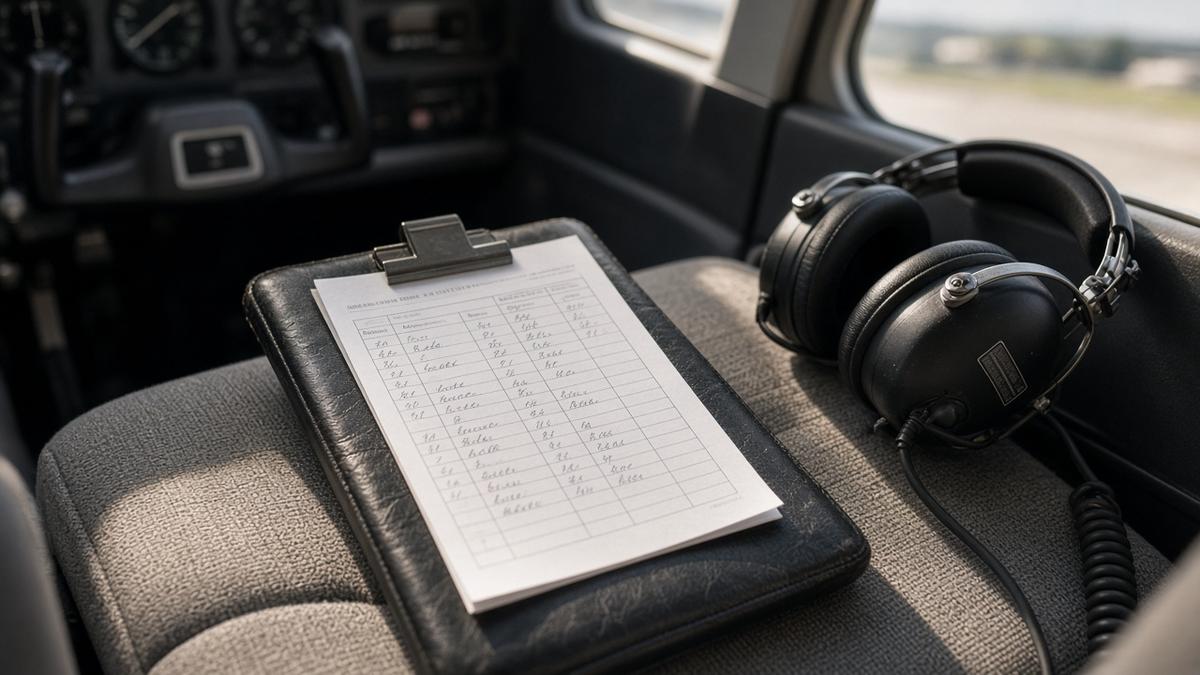
Sharing the cost
Some pilots team up with one or two others building hours at the same time, sharing the fixed costs and the eventual sale. Agree clear terms in writing at the start, including how the aircraft will be sold and how proceeds will be split. Our guide to group ownership covers the principles.
Selling when you are done
Plan the sale from the day you buy: keep the aircraft clean, keep the records immaculate and fix defects promptly. When the time comes, our guide on how to sell your aircraft will help, or Atlantic Aircraft can sell it for you. You can see what is available now on the Hangar.
Frequently asked questions
How many hours do I need for a CPL?
The total depends on your training route, but integrated and modular courses both require significant PIC time. Check the current requirements with your training organisation.
Is owning always cheaper than renting for hour building?
Not always. It depends on the purchase price, how many hours you fly, unexpected maintenance and the resale price. Run the numbers for your situation.
Do hours in my own aircraft count?
Yes, PIC hours in your own aircraft count, provided they are flown legally and logged correctly.