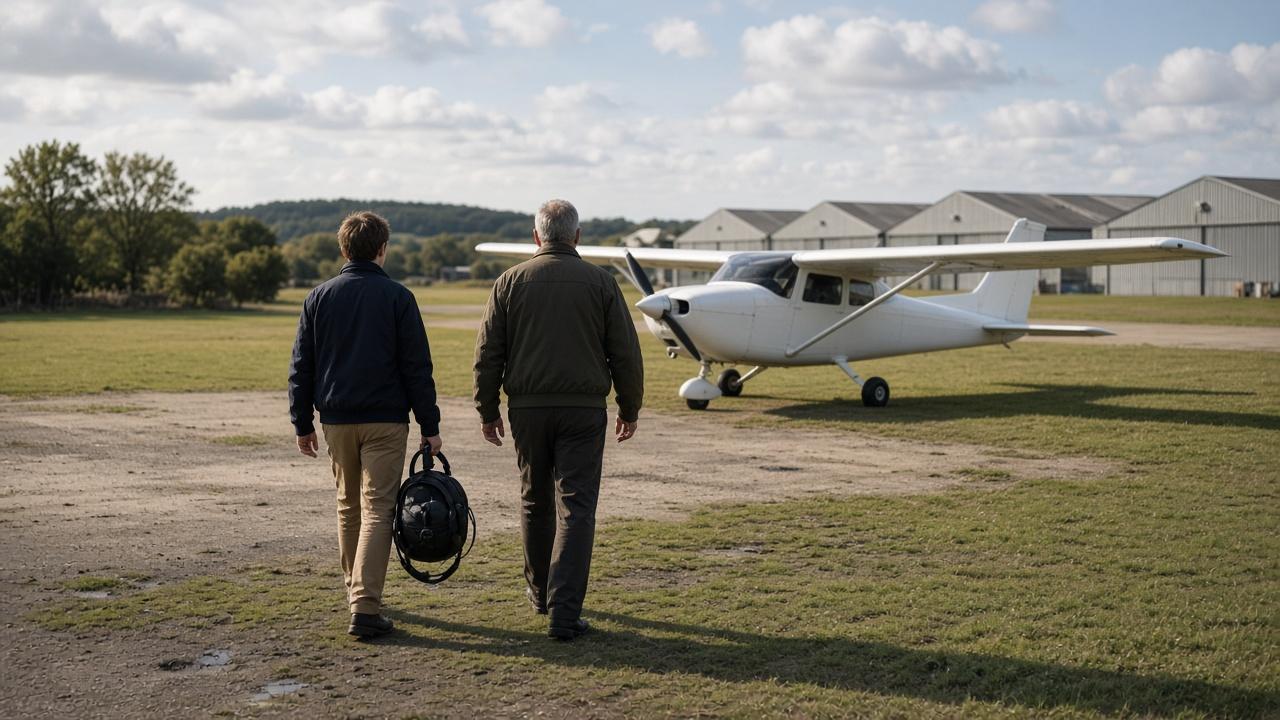
If you want to fly light aircraft in the UK for pleasure, the two most common routes are the Private Pilot Licence (PPL) and the Light Aircraft Pilot Licence (LAPL). Both let you fly single-engine piston aircraft and take passengers, but they differ in training, medical requirements and what you can do afterwards.
Training requirements
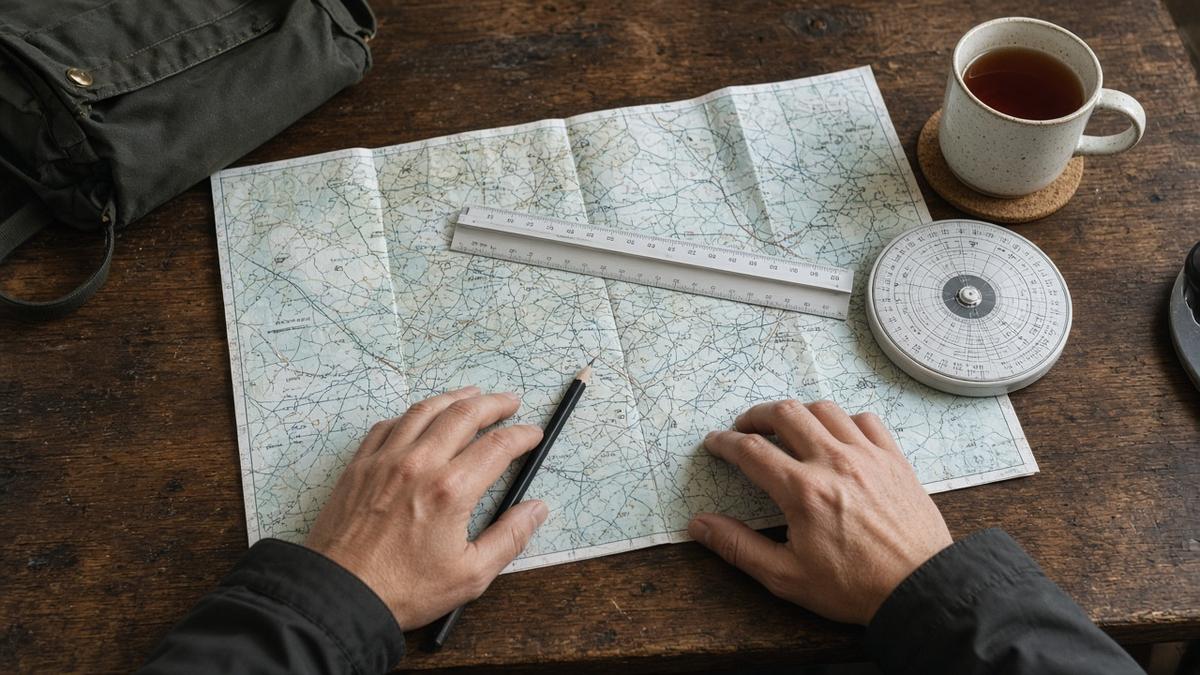
The PPL requires a minimum of 45 hours of flight training, including dual instruction with an instructor and supervised solo flying, with a solo cross-country of at least 150 nm landing at two other aerodromes. The LAPL requires a minimum of 30 hours, again including dual and solo flying, with a shorter solo cross-country.
Both licences require you to pass theoretical knowledge exams and a skills test with an examiner. In practice most students need more than the minimum hours, so budget accordingly.
Medical requirements
- PPL — requires a Class 2 medical certificate from an aeromedical examiner.
- LAPL — requires a LAPL medical, which is less demanding; in some circumstances UK pilots can instead fly on a pilot medical declaration.
If you have a medical condition that might make a Class 2 difficult, the LAPL can be the more accessible route.
Privileges and limitations
The LAPL is designed for recreational flying and has some limits. It typically restricts you to aircraft up to 2,000 kg maximum take-off mass with no more than four people on board, and it is not ICAO-compliant, so its acceptance for flying in other countries needs to be checked in advance. The PPL has none of those limits, is recognised internationally, and is the foundation for further ratings such as night, instrument and multi-engine ratings, and for commercial training.
Which should you choose?
- Choose a LAPL if you want to fly for fun, mostly in the UK, in typical four-seat aircraft, and want the quickest and most affordable route.
- Choose a PPL if you want to tour abroad regularly, add ratings, fly heavier aircraft, or may one day train commercially.
- Remember you can upgrade — LAPL holders can usually upgrade to a PPL later, with credit for their experience.
After you qualify
Once licensed, many pilots rent from a club, join a group or buy their own aircraft. Our guide to buying a used aircraft is a good place to start, and you can browse aircraft for sale on the Hangar.
Frequently asked questions
How long does it take to get a PPL?
Flying regularly, many students complete a PPL within six to twelve months. Weather, availability and frequency of lessons all have a big effect.
Can I fly abroad with a LAPL?
Possibly, but because the UK LAPL is not ICAO-compliant, you need to check whether the country you plan to visit accepts it.
Do I need my own aircraft to train?
No, most students train in flying school aircraft. Some pilots buy an aircraft to complete their training or build hours afterwards.