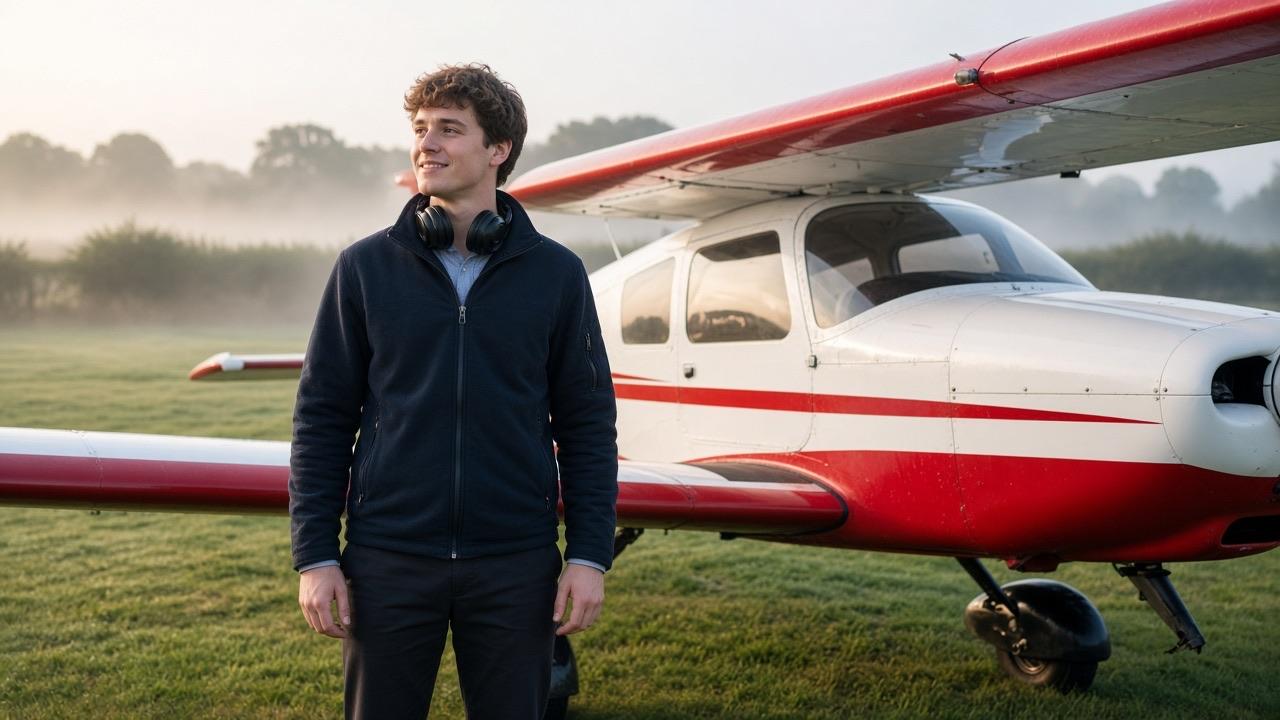
Buying your first aircraft after gaining your licence is a big step, and the choice can feel overwhelming. The best first aircraft is rarely the fastest or best-equipped one you can afford. It is the one that suits the flying you actually do, is forgiving while you build experience, and is affordable enough to fly regularly. This guide sets out how to decide, and the types UK owners most often start with.
Start with the flying you will do
Think about a typical flight in your first two years of ownership. Most new owners fly local trips and short cross-countries, often with one passenger, from a home airfield. If that sounds like you, a two-seater may be all you need. If you plan to take the family touring or fly to France, four seats and a decent cruise speed matter more.
- Seats and payload — how many people and how much baggage you carry, with enough fuel to be useful.
- Your licence — a LAPL or NPPL limits what you can fly and who you can carry; see PPL vs LAPL.
- Where you will keep it — short or rough grass strips suit some types better than others.
- Your budget for running costs — not just the purchase price.
Keep it simple at first
A fixed-gear aircraft with a fixed-pitch propeller is cheaper to insure, maintain and fly than a complex aircraft with a retractable undercarriage and a constant-speed propeller. Insurers usually look more favourably on a low-hours pilot in a simple type, and a familiar type lets you concentrate on building experience rather than learning a new aircraft. You can always step up later.
Two-seaters
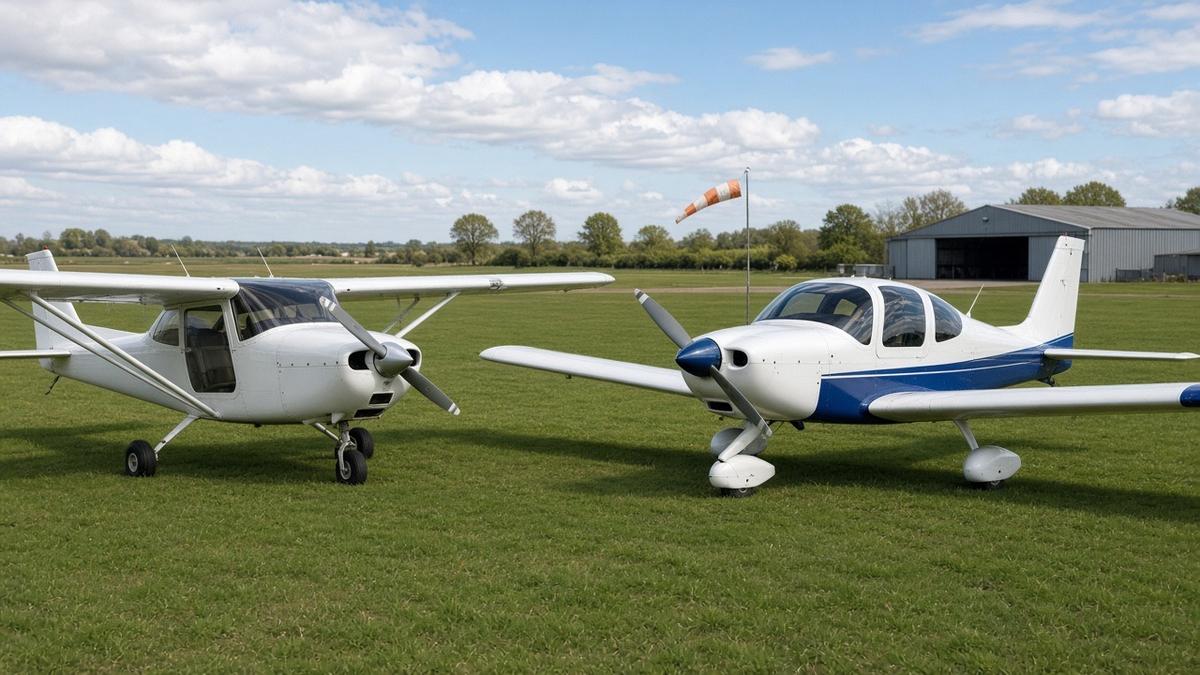
- Cessna 150 and 152 — the classic high-wing trainer. Docile, simple and widely supported, though payload is tight with two adults and full fuel. See our comparison of the Cessna 152 and Piper Tomahawk.
- Piper PA-38 Tomahawk — a low-wing trainer with a roomier cabin and excellent visibility, often cheaper to buy than a 152.
- Three-axis microlights such as the Ikarus C42 and EV97 Eurostar — modern, economical and with very low running costs, a popular route for NPPL holders. See microlights explained.
- Permit types such as the Van’s RV-12 and Jodels — low running costs and owner maintenance, with different trade-offs; see permit vs certified aircraft.
Four-seaters
- Piper PA-28 Cherokee, Warrior and Archer — the most common four-seater at UK airfields, stable and very well supported. Our PA-28 buyer’s guide covers the variants.
- Cessna 172 — the high-wing alternative, with two doors and a reputation for being easy to fly. See Cessna 172 vs PA-28.
- Robin DR400 — a French wooden four-seater with a large canopy, good short-field performance and a brisk cruise. See our Robin DR400 buyer’s guide.
- Grumman AA-5 Traveler, Cheetah and Tiger — sporty and quick for their power, with a sliding canopy, though they need a little more care on landing than a PA-28.
What a budget buys
Prices depend heavily on engine time, avionics and condition, so treat these as rough guides at the time of writing. Older two-seat trainers and many microlights can be found for tens of thousands of pounds. Four-seat types such as early PA-28s, Cessna 172s and Robins typically range from around £60,000 to well over £100,000, with later models, low engine time and modern avionics at the top end. Browse single-engine aircraft in the Hangar to see current asking prices.
Remember to budget for running costs, and keep 10–15% of the purchase price aside for the first year, as our guide to buying a used aircraft recommends.
 For sale1980 Piper PA28 - 181 Archer IIView aircraft
Or start with a share
If you expect to fly fewer than 50 hours a year, a share in a well-run group can give you access to a better aircraft for much less money. Our guide to aircraft group ownership explains how shares work.
Before you buy
Whatever you choose, have it independently inspected before you buy, and get an insurance quote early, because your experience affects the premium. If you would like help narrowing down the options, talk to us.
Frequently asked questions
What is the cheapest aircraft to own in the UK?
Microlights and simple permit aircraft usually have the lowest running costs, because they burn less fuel and owners can do more of the maintenance. Among certified types, two-seaters such as the Cessna 152 and Piper Tomahawk are among the cheapest to run.
Should my first aircraft have two seats or four?
Choose based on how you fly. If you mostly fly alone or with one passenger, a two-seater is cheaper to buy and run. If you regularly carry two or more passengers or plan longer trips, a four-seater is worth the extra cost.
Is a complex aircraft a good first purchase?
Usually not. A retractable undercarriage and constant-speed propeller add purchase cost, maintenance and insurance premiums, and need extra training. Most new owners are better served by a simple fixed-gear type.